
Text slang and abbreviations are increasingly shaping the way we communicate, especially in the realm of SMS marketing. The digital world demands quick and efficient messaging, making abbreviations a key tool for engaging with audiences. As these abbreviations become part of everyday communication, it’s crucial for businesses to adapt and use them effectively.
Our understanding of text abbreviations goes beyond social interactions; they can transform how businesses connect with their customers. These short forms not only save time but also help make messages more relatable. By incorporating popular and approved abbreviations, businesses can enhance their marketing strategies and maintain compliance with communication standards.
Key Takeaways
- Text abbreviations enhance communication speed and relatability.
- Businesses can benefit from using approved text abbreviations.
- Understanding your audience is crucial for effective use of abbreviations.
What Are Text Acronyms for Texting?
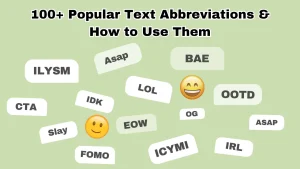
Text acronyms are short, commonly used abbreviations that make texting quicker and more efficient. They’re designed to express ideas, emotions, or actions in just a few letters, saving time and making conversations flow more smoothly. Text acronyms are especially popular in casual chats, social media, and texting with friends or colleagues.
Some well-known text acronyms include:
- LOL (Laugh Out Loud): Used to express amusement.
- BRB (Be Right Back): Lets someone know you’ll be away for a short time.
- FYI (For Your Information): Shares helpful or important information.
- IDK (I Don’t Know): Used when you’re unsure about something.
- BTW (By The Way): A casual way to introduce new information or change topics.
- OMG (Oh My God): Expresses surprise, excitement, or disbelief.
These acronyms simplify texting and help convey emotions or reactions more effectively. Text acronyms can be used in various contexts, from casual chats to more professional exchanges, depending on the relationship and tone of the conversation.
Why Your Business Benefits from Using Text Abbreviations
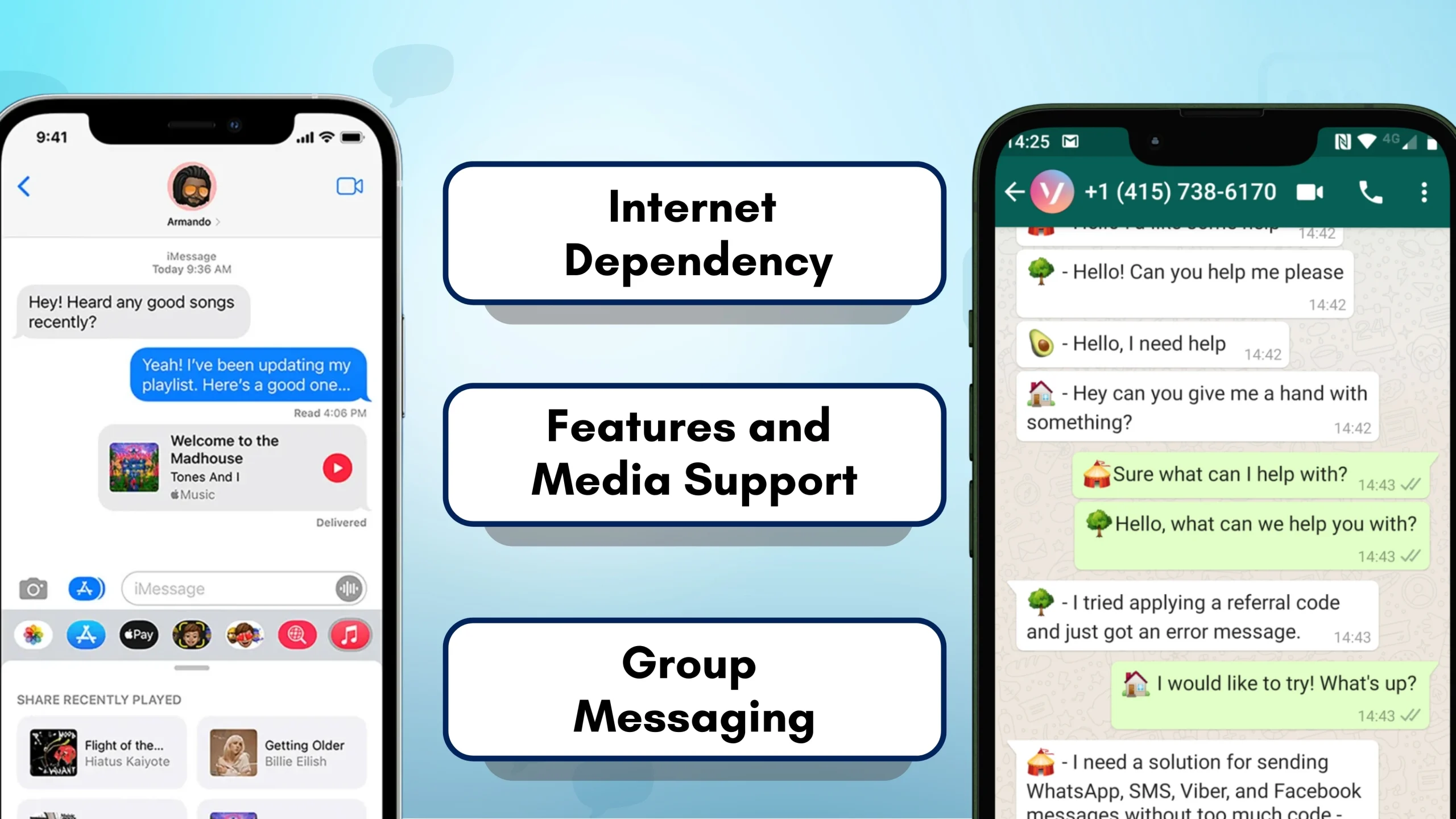
Incorporating text abbreviations into our business communications offers practical advantages. The primary benefit lies in reducing the character count of SMS messages. SMS is limited to 160 characters per message; exceeding this limit results in the text being split into multiple messages, which can lead to additional costs. By using abbreviations, we maximize message content while minimizing expenses.
Here’s a quick look at the numbers:
| Message Type | Character Limit | Cost Implication |
| SMS | 160 | Lower cost |
| MMS | 1,600 | Higher cost |
Strategically using abbreviations allows us to communicate effectively without sacrificing clarity. It’s crucial to avoid overusing them, as that can confuse recipients. Instead, we should aim for a balance where abbreviations enhance our messaging and maintain readability.
By carefully integrating text abbreviations, we can make our SMS marketing efforts more efficient, saving both time and money. This approach ensures that our messages are concise and clear, making them a valuable component of our communication strategy.
100+ Popular Text abbreviations list
Texting has made conversations faster and more efficient by using lots of shortcuts. These shortcuts save time and make texting more enjoyable. Here’s a list of popular ones that many people use.
Common Acronyms and Their Meanings
| Acronym | Meaning | Example |
| ASAP | As Soon As Possible | “Please respond ASAP, it’s urgent!” |
| ATM | At The Moment | “ATM, I’m just grabbing a coffee!” |
| BRB | Be Right Back | “BRB, need to take this call.” |
| BRT | Be Right There | “BRT, I’m on my way to meet you!” |
| BTW | By The Way | “BTW, have you seen the new movie yet?” |
| FTW | For The Win | “That new song is amazing, FTW!” |
| FWIW | For What It’s Worth | “FWIW, I think the meeting went really well.” |
| FYI | For Your Information | “FYI, the meeting has been moved to 3 PM.” |
| HBU | How About You | “I’m doing great, HBU?” |
| HMU | Hit Me Up | “HMU when you get a chance!” |
| IDK | I Don’t Know | “IDK, I’m not sure what time the event starts.” |
| IG | I Guess | “I’m not sure if it’ll work, IG it’s worth a try.” |
| IIRC | If I Remember Correctly | “IIRC, the store closes at 8 PM.” |
| IMHO/IMO | In My Humble Opinion / In My Opinion | “IMHO, we should go for the cheaper option.” |
| ISTG | I Swear To God | “ISTG, that was the funniest thing I’ve ever seen!” |
| IYKYK | If You Know, You Know | “That joke was hilarious, IYKYK!” |
| LMK | Let Me Know | “LMK if you want to grab lunch later!” |
| LOL | Laugh Out Loud | “That was so funny, LOL!” |
| NGL | Not Gonna Lie | “NGL, I didn’t expect that to happen.” |
| NVM | Nevermind | “NVM, I found the answer!” |
| OG | Original Gangster | “He’s my OG, we’ve been friends for years.” |
| OMG | Oh My God / Oh My Goodness | “OMG, I can’t believe you did that!” |
| OMW | On My Way | “OMW, I’ll be there in 10 minutes!” |
| ONG | On God | “ONG, I promise I’ll be there on time.” |
| OOTD | Outfit Of The Day | “Check out my OOTD, I’m feeling great!” |
| RQ | Real Quick | “Can you call me RQ? I need a quick question answered.” |
| SM | So Much | “I appreciate it SM, thank you so much!” |
| SMH/SMDH | Shaking My Head / Shaking My Darn Head | “SMDH, I can’t believe they said that!” |
| TBD | To Be Determined | “The time for the event is TBD.” |
| TTYL | Talk To You Later | “Alright, TTYL! Catch you later.” |
| WYA | Where You At | “WYA? I’m waiting here!” |
| YW | You’re Welcome | “Thanks for your help! YW!” |
Romantic Text Shortforms
| Acronym | Meaning | Example |
| BF | Boyfriend | “I’m spending the weekend with my BF.” |
| GF | Girlfriend | “Surprised my GF with dinner last night!” |
| ILY | I Love You | “Just wanted to text you… ILY 💖” |
| MCM | Man Crush Monday | “Happy MCM to the best guy I know!” |
| WCW | Woman Crush Wednesday | “Shoutout to my WCW – she’s amazing!” |
How To Use Text Abbreviations
Here’s a scenario for each example showing how text abbreviations can be used effectively in real-world situations:
Example 1:
Scenario:
A customer service representative sends an acknowledgment text after receiving a service request. The representative uses the abbreviation “EOD” to communicate that the customer will be contacted by the end of the day.
“Thank you! Your request has been received, and a specialist will get in touch by EOD.”
Example 2:
Scenario:
A retail store sends a promotional text to customers about a weekend sale. The abbreviations “ICYMI” and “BTW” help add a conversational tone while providing key sale information and hours.
“ICYMI: Don’t miss out on our storewide sale this weekend only. Show this message at checkout for an extra 10% off. BTW, we’re open from 9 AM to 7 PM on Sat and Sun.”
Example 3:
Scenario:
A restaurant sends a fun weekend promotion to customers, using “TGIF” to set a lighthearted tone and encourage foot traffic.
“TGIF! Kick off the weekend at [RESTAURANT NAME] and enjoy two-for-one appetizers with this text.”
Example 4:
Scenario:
A company needs to inform attendees about a weather-related event delay. The abbreviation “TBD” lets them know the new event date will be confirmed soon.
“NOTICE: Due to weather conditions, our event today has been postponed. A new date is TBD; we will notify you once it’s confirmed!”
Example 5:
Scenario:
A business reaches out to a customer on their birthday with a special discount code. “HBD” makes the message personal and relatable.
“HBD! Celebrate your special day with 25% off your next order using code [NAME][DATE].”
In each scenario, the use of text abbreviations keeps the communication clear, concise, and aligned with the tone of the message, making it more effective and engaging.
Other Common Text acronyms Shortcuts and Initialisms
Text messaging and online chats have transformed how we communicate. These shortcuts and initialisms save time and space. We’ve put together a list of popular ones that should come in handy for everyone.
Here are some of the frequently used shortcuts:
- ABT: About
- ADR: All Due Respect
- AFAIK: As far as I know
- AKA: Also known as
- AMA: Ask Me Anything
- ASAP: As soon as possible
- B4: Before
- BBS: Be Back Soon
- BC: Because
- BOGO: Buy one get one
- BTS: Behind The Scenes
- BYOB: Bring Your Own Beverage
- CTA: Call to action
- DAE: Does Anyone Else
- DIY: Do it yourself
- DL: Down Low
- DND: Do not disturb
- EOD: End of day
- FOMO: Fear of missing out
- Frl: For real
- G2G: Got to go
- GOAT: Greatest Of All Time
- GG: Good game
- HBD: Happy Birthday
- HW: Homework
- IDC: I Don’t Care
- IK: I Know
- IKR: I Know Right
- IMU: I Miss You
- IOU: I Owe You
- IRL: In Real Life
- ISO: In Search Of
- JIC: Just in case
- JK: Just Kidding
- JW: Just wondering
- MFW: My Face When
- MYOB: Mind your own business
- N/A: Not available/not applicable
- NBD: No Big Deal
- NP: No problem
- NSFW: Not Safe For Work
- OFC: Of Course
- OOO: Out of the office
- PDA: Public Display of Affection
- POV: Point of view
- PSA: Public Service Announcement
- QOTD: Quote of the day
- RIP: Rest In Peace
- RN: Right now
- ROFL: Rolling On the Floor Laughing
- RSVP: Répondez S’il Vous Plaît (Respond Please)
- SFW: Safe For Work
- T&C: Terms and conditions
- TBA: To Be Announced
- TBH: To be honest
- TFW: That Feeling When
- TGIF: Thank god it’s Friday
- TIA: Thanks in advance
- TLC: Tender loving care
- TMRW: Tomorrow
- TTYS: Talk To You Soon
- TY: Thank you
- TYIA: Thank You In Advance
- TYVM: Thank You Very Much
- UGC: User-generated content
- YW: You’re welcome
- W/E: Whatever
- W/O: Without
- WYD: What (are) You Doing
- WYSIWYG: What you see is what you get
- YOLO: You Only Live Once
- YSK: You Should Know
These abbreviations make texting efficient and quick. They reflect how communication evolves constantly. It’s exciting to see which ones will become part of everyday language.
Commonly Used Texting Slang and Abbreviations
Texting slang often puzzles those who aren’t familiar with it, but it helps keep messages concise and trendy. Here’s a list of popular slang terms:
| Slang | Meaning | Example |
| Gucci | When something’s cool or good. | “I got us tickets to the concert.” “Gucci.” |
| It gives/it’s not giving | Expresses approval or disapproval. | “Yeah, I saw the weather for tomorrow, it’s not giving.” |
| Lowkey | Indicates something is moderate or somewhat true. | “This new song is lowkey my favorite.” |
| Mid | Ordinary or average. | “I don’t know, that movie was kind of mid.” |
| No cap | Used to emphasize honesty. | “Did you get tickets to the concert for real?” “No cap.” |
| Sending me | Shows excitement or amusement. | “This new song is sending me!” |
| Slay | Something impressive or an expression of approval. | “Did you see Lady Gaga’s Oscar look? Such a slay.” |
| Sus | Short for suspicious or suspect. | “I got us tickets to the concert that’s sold out.” “That’s sus.” |
| Vibe | Refers to a mood or feeling, usually positive. | “We had a great time, it was a total vibe.” |
Using these terms can make our conversations more lively and relatable, allowing us to communicate with flair.
Avoid Common Mistakes
While text abbreviations can enhance your communication, they can also backfire if used incorrectly. As slang evolves quickly, it’s essential to stay updated and use abbreviations that resonate with your audience. To avoid these common mistakes, here are some key tips for texting effectively.
- Avoid Using Outdated Slang
Slang can quickly go out of style, so it’s crucial to understand your audience’s preferences. For example, abbreviations like “Good 2 c u” or “4 gr8 time” might seem outdated to millennials. To stay relevant, test your abbreviations with your marketing team or a few people from your target demographic to ensure you’re on trend. If you’re unsure, it’s better to skip it than risk sounding out of touch. - Don’t Overuse Abbreviations
Overloading your text with abbreviations can make it difficult for recipients to understand the message. To keep it simple, use no more than one abbreviation per text. If you’re trying to shorten your message, consider sending a link for more detailed information or use MMS to include images or additional context. This way, you maintain clarity without overwhelming your audience with too many abbreviations.
Abbreviations Used in Online Interactions
In the fast-paced world of social media, abbreviations help us communicate quickly and efficiently. Here are some common ones:
- AMA: Ask me anything
- BR: BeReal
- DM: Direct Message
- ELI5: Explain like I’m 5
- FB: Facebook
- FBF: Flashback Friday
When we engage on platforms, GRWM stands for “Get ready with me,” while HMU means “Hit me up.” If we are on LinkedIn, we might use LI to refer to it. On Twitter, RT is used for retweeting, and MT indicates a modified tweet. Meanwhile, IG is how we refer to Instagram, and YT for YouTube. This shorthand helps us stay connected easily.
Business Text Abbreviations
Text abbreviations are essential for quick and clear communication in professional settings. They help us connect efficiently with coworkers and customers. Here’s a list of common abbreviations you might find useful in business texting:
- AFK – Away From Keyboard
- B2C – Business to Consumer
- DSC – Dedicated Short Code
A special 5- to 6-digit number used to send SMS or MMS messages. - EOD – End Of Day
Example: “Our sale ends at EOD.” - EOM – End Of Month
- EOW – End Of Week
- F2F – Face To Face
- FTFY – Fixed That For You
Example: “Issue resolved by 9 PM today. FTFY!” - FW – Forward
- ICYMI – In Case You Missed It
Example: “ICYMI, check out our new features.” - MMS – Multimedia Messaging Service
Allows sending media like audio and video with texts. - NRN – No Reply Necessary
- OOO – Out Of Office
- P2P – Peer To Peer
- SaaS – Software As A Service
- SMS – Short Message Service
Used to send and receive text messages over a network. - TL;DR – Too Long; Didn’t Read
Example: “For a quick summary, call us at 555-123-4567.” - TYVM – Thank You Very Much
Example: “TYVM for your support!” - WFH – Work From Home
- WIP – Work in Progress
Example: “Bug fixes are a WIP by our team.” - YTD – Year To Date
Using these abbreviations can enhance communication while saving time. Integrating them into our messages helps streamline interactions and maintains a professional tone. Whether you need to communicate with a colleague or update a customer, these abbreviations are practical tools in our digital age.
Business Texting Compliance Approved Shortcuts
In business texting, staying within character limits while ensuring messages remain clear is key. To help us achieve this, a list of approved short forms was created. Using these abbreviations, we can communicate efficiently without losing clarity. Here are some of the abbreviations we often employ:
- Msg for Message
- / for Per
- Txt for Text
- mo, ea. mo., or /mth for Per Month
- Msg&Data Rates May Apply for Message and Data Rates May Apply
These abbreviations are designed to make our messaging straightforward and concise, allowing us to convey necessary information effectively while adhering to compliance rules.
Marketing Terms
In the world of marketing, many abbreviations help us communicate quickly and efficiently. Here are some key terms:
- AOV: Refers to the average amount spent per order.
- BOGO: Signifies a promotion where you buy one and get one free.
- CLV: The total revenue expected from a customer for the duration of their relationship with a company.
- PPC: Advertising model in which advertisers pay each time their ad is clicked.
- SEO: Techniques used to improve a website’s placement in search results.
These terms are important for understanding common marketing strategies and metrics.
Romantic Text Abbreviations
In our digital age, quick messages with abbreviations are common in romantic communication. Let’s explore some frequently used terms:
- BAE – Before Anyone Else
- BFF – Best Friend Forever
- DTR – Define the Relationship
- FWB – Friends With Benefits
- ILYSM – I Love You So Much
- LOML – Love Of My Life
- LTR – Long-term Relationship
- LYLAS – Love You Like A Sister
- OTP – One True Pairing
- PDA – Public Display of Affection
- SO – Significant Other
- XOXO – Hugs and Kisses
Using these abbreviations helps us express affection quickly.
Examples of Text Abbreviations in SMS Promotion
Reminder for Discount Opportunity
When we alert our customers about the last chance to enjoy a buy-one-get-one-free offer, using text abbreviations helps keep the message concise. Our message might read:
ICYMI! Our BOGO offer wraps up tonight at 11 PM. Grab two of your favorite items for the cost of one! Shop now: [link]. Txt STOP to unsubscribe.
This approach ensures the message is clear and fits within character limits, encouraging quick action while keeping unsubscribe instructions straightforward.
Using Text Abbreviations in Business Messaging
When we think about business communication, it’s essential to use abbreviations the right way. They can help messages feel faster and less formal, yet still professional. One of the key guidelines is to avoid stuffing too many abbreviations into one message. An example might be a text like, “Sup! ICYMI, CYE for instrux on policy renewal. SSIA.” While this saves space, it can come across as rude or confusing.
Express Yourself Creatively and Professionally. Adding visuals such as images and GIFs can make a text message stand out. These elements can make business texts more engaging and can be easily incorporated through MMS marketing. This way, our words aren’t doing all the work alone.
We should also stick to mature texting practices. Using shorthands like “2” for “to” or “U” for “you” may save characters, but they can seem unprofessional. Take this example: “Visit Meg’s ASAP for a great deal! 20% off any slice when you show this text.” This looks much more respectable compared to phrases full of shorthand.
Think About Your Audience. It’s important to use only the abbreviations that the audience will understand. For instance, sending “FTFY” (“Fixed That For You”) in response to a service issue might confuse an older client. Choosing words that match our audience’s comfort level shows respect and avoids miscommunication.
Before we send any messages, proofreading is crucial. Even a single typo can change the entire meaning of a message. Taking a moment to review what we’ve written can prevent misunderstandings and potential embarrassment.
Using text abbreviations wisely in business not only makes our communication effective but also maintains professionalism. Abbreviations, when used well, can enrich the conversation and enhance clarity without sacrificing respectability.
Common Pitfalls in Using Text Abbreviations
Avoid Outdated Text Slang
As time passes, certain texting abbreviations can fall out of favor, just as words in everyday speech may shift in use or meaning. This can leave you using terms that feel passé. It’s a good idea to stay informed about the popular abbreviations others are using. By doing so, we can make sure we’re communicating effectively and keeping our texting style current.
Limit the Use of Abbreviations in Communication
While many understand text shorthand, a message loaded entirely with abbreviations can be challenging and unpleasant to read. For example, a message like:
“Hello, what are you up to? Let me know if you want to talk tomorrow!”
could be overly abbreviated to something like:
“Hi, WUU2? LMK if u want to TLK TMRW!”
Striking a balance by using some full words can keep things clear and readable. It’s a reliable way to ensure our messages are understood in the way we intend. When in doubt, taking the time to write out the full phrase can save confusion later.
Understanding Your Audience
When it comes to using SMS communication effectively, it’s essential to adjust our message based on who we’re talking to. Different audiences require different styles, just like in everyday conversation. Let’s explore a few situations and the best way to approach them.
Announcing Events
If we’re organizing an in-person gathering, sending out a text alert can quickly inform our contacts. Using abbreviations makes the message short and to the point. For example, we might say:
FYI: Tomorrow is your chance to hear from our founder in person. Join us for a Q&A on future plans. Get details & RSVP: [link].
Initial Text Messages
For new SMS subscribers, a brief note to confirm their subscription, express our thanks, and greet them warmly is key. Abbreviations help reduce the character count while keeping the message friendly. When someone subscribes to receive daily tips, we might send:
TYVM for joining our text club! Expect DIY tips from us daily. TXT “STOP” anytime to opt-out. Msg&Data Rates May Apply.
Changing the Schedule
Updates about changes in business hours or disruptions to normal operations can be effectively communicated through text messages. Abbreviations help us deliver these updates quickly and clearly. An example message might be:
BTW – we’re closing at noon today after a busy week. TGIF, right? We’ll reopen tomorrow at 9 am. Have a great night!
Gathering Customer Opinions
We can also utilize text abbreviations to ask for customer feedback efficiently. Here’s how we might frame such a message:
We want your opinion on the latest product updates, but time is running out. Please take our short survey ASAP: [Link] TYIA for your participation!
Using the right style for different audiences helps us communicate effectively and ensures our messages are well-received.
Final Thoughts
Text abbreviations are a big part of modern communication. We see them everywhere, from online chats to social media posts. Using these short forms saves time and keeps messages concise. Some of the most common ones are “LOL” for laughing out loud, “OMG” for oh my God, and “TTYL” for talk to you later.
Using text abbreviations can make our writing feel informal and friendly. When chatting with friends, these abbreviations help us convey emotions and tone more effectively. It’s interesting to see how new abbreviations pop up and become part of our daily language.
For writers and professionals, it’s important to know when abbreviations are appropriate. In formal writing, like essays or reports, we should use full words unless the abbreviation is well-known and accepted. Understanding this balance allows us to communicate clearly and effectively across different settings.
Here’s a quick list of common text abbreviations:
- BRB: Be right back
- FYI: For your information
- IDK: I don’t know
- SMH: Shaking my head
By understanding and using these abbreviations appropriately, we can make our messages clearer and connect better with others.