
 English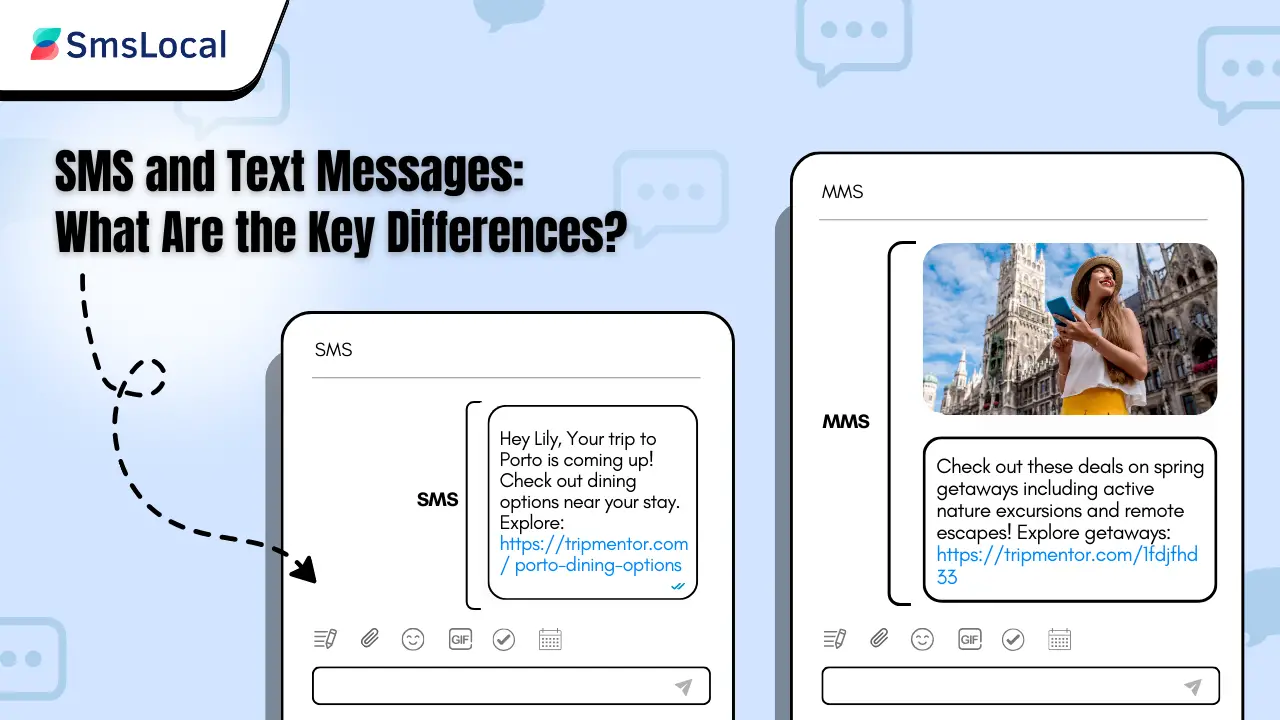
Giới thiệu
Doanh nghiệp của bạn có sử dụng tin nhắn SMS và tin nhắn văn bản đúng cách không?
Với 97% người Mỹ sở hữu điện thoại di động và 85% sở hữu điện thoại thông minh, nhắn tin di động đã trở thành một trong những cách hiệu quả nhất để tiếp cận khán giả của bạn. Nhưng nhắn tin SMS là gì và nó phù hợp với chiến lược liên lạc của bạn như thế nào? Hiểu SMS và sự khác biệt của nó với các hình thức khác nhắn tin văn bản là rất quan trọng để đảm bảo doanh nghiệp của bạn đang sử dụng công cụ phù hợp để kết nối với khách hàng.
Nhắn tin qua SMS đã trở thành một phương tiện truyền thông kỹ thuật số quan trọng từ những năm 1990 và vai trò của nó trong tiếp thị vẫn tiếp tục phát triển. Tại SMSLocal, chúng tôi biết sức mạnh của SMS trong việc thu hút khách hàng và chúng tôi sẵn sàng giúp bạn phát huy tối đa tiềm năng của nó. Hãy cùng khám phá những khác biệt chính và tại sao ý nghĩa của SMS vẫn quan trọng trong các chiến lược tiếp thị hiện đại.
Hiểu các tùy chọn nhắn tin này là điều cần thiết trong thế giới kỹ thuật số nơi việc trao đổi thông tin nhanh chóng được coi trọng. Trong khi SMS tập trung vào việc gửi tin nhắn văn bản ngắn, MMS chứa nội dung đa phương tiện như hình ảnh và video. Việc phân biệt giữa các dịch vụ này giúp người dùng quyết định cách tốt nhất để tương tác với người khác, cho dù đó là thông qua cập nhật văn bản ngắn gọn hay trải nghiệm đa phương tiện phong phú hơn. Sự quen thuộc của chúng tôi với những tiến bộ trong công nghệ nhắn tin giúp chúng tôi có thể thích ứng và tận dụng những lợi ích của nó.
Bài học chính
- SMS được sử dụng rộng rãi để liên lạc nhanh chóng dựa trên văn bản.
- MMS cho phép gửi nội dung đa phương tiện như hình ảnh và video.
- Dịch vụ nhắn tin rất quan trọng cho giao tiếp cá nhân và tiếp thị.
Tin nhắn SMS là gì?
SMS (Dịch vụ tin nhắn ngắn) là một nhắn tin văn bản dịch vụ cho phép trao đổi tin nhắn văn bản ngắn gọn, thường lên tới 160 ký tự. Nó hoạt động trên nhiều mạng di động khác nhau, giúp việc gửi tin nhắn ngắn gọn đến các cá nhân hoặc nhóm trở nên nhanh chóng và thuận tiện.
Mặc dù SMS thường được sử dụng cho các cuộc trò chuyện cá nhân hoặc trao đổi nhanh nhưng nó cũng đã trở thành một công cụ liên lạc quan trọng cho các doanh nghiệp, cho cả nhắn tin nội bộ và bên ngoài. Theo thời gian, nhắn tin SMS đã phát triển thành một phần thiết yếu của giao tiếp di động, trở thành thứ mà nhiều người trong chúng ta sử dụng hàng ngày.
SMS và MMS có ý nghĩa gì
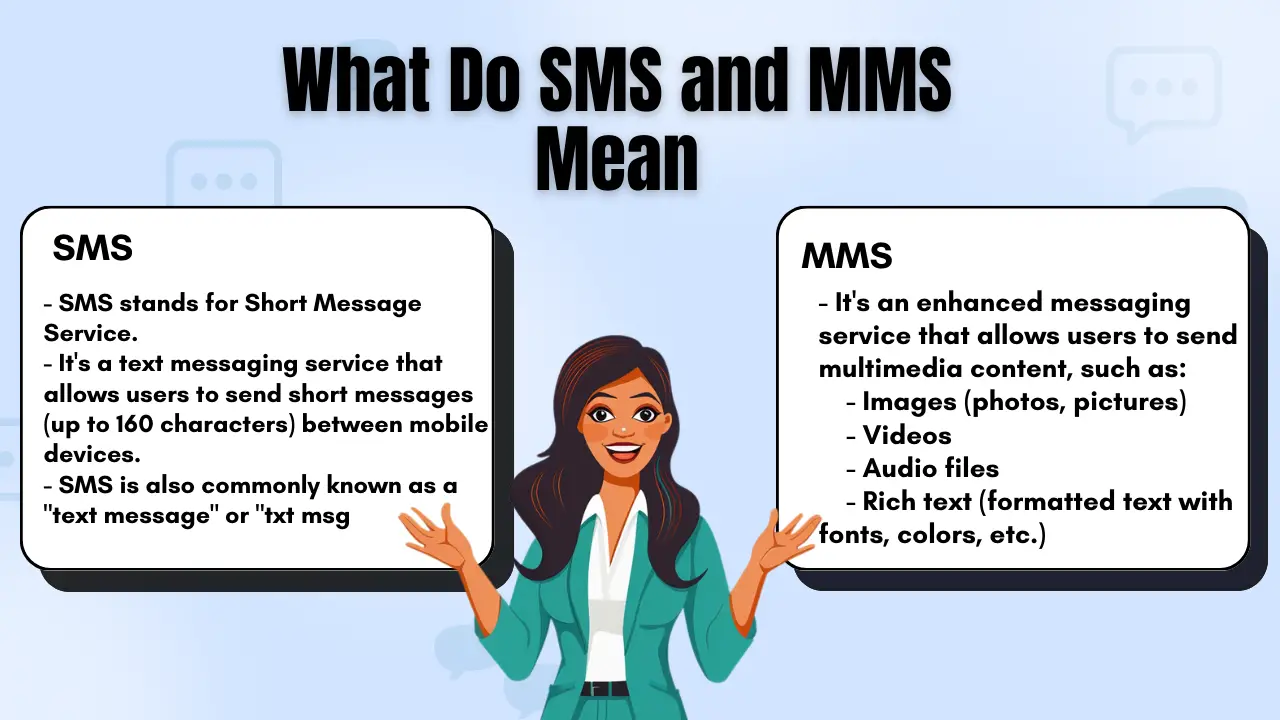
SMS, hay Dịch vụ tin nhắn ngắn, là tiêu chuẩn để gửi tin nhắn văn bản. Mỗi tin nhắn dài tối đa 160 ký tự, bao gồm cả dấu cách. Phương pháp này được nhiều người sử dụng vì đơn giản và nhanh chóng.
MMS, viết tắt của Dịch vụ Nhắn tin Đa phương tiện, cho phép chúng ta gửi nhiều thứ hơn là chỉ văn bản. Chúng ta có thể chia sẻ hình ảnh, video hoặc clip âm thanh bằng mạng di động thông thường của mình. Trước điện thoại thông minh và ứng dụng, MMS là cách tốt nhất để gửi ảnh cho bạn bè và gia đình. Những dịch vụ này là một phần trong cách chúng tôi duy trì kết nối hàng ngày.
Đây là một so sánh nhanh:
| Tính năng | tin nhắn SMS | MMS |
|---|---|---|
| Loại nội dung | Chỉ văn bản | Đa phương tiện (hình ảnh, video, âm thanh) |
| Giới hạn ký tự | 160 ký tự | Không có giới hạn nghiêm ngặt về kích thước nội dung |
| Cách sử dụng | Tin nhắn nhanh | Chia sẻ phương tiện |
Tin nhắn có thể gửi bao nhiêu ký tự?
Tin nhắn văn bản, còn được gọi là SMS, hoàn toàn dựa trên văn bản và thường bị giới hạn ở 160 ký tự cho mỗi tin nhắn. Khi chúng tôi vượt quá giới hạn này, tin nhắn có thể bị chia thành nhiều phần. Có thể chia tin nhắn văn bản thành tối đa 6 phần, với tổng cộng 918 ký tự.
Điều quan trọng cần lưu ý là một số dịch vụ có thể chuyển văn bản dài hơn thành tin nhắn hình ảnh, được gọi là MMS, phí này có thể đắt hơn tùy thuộc vào nhà cung cấp dịch vụ. Tuy nhiên, một số nền tảng nhất định, như smslocal, không chuyển sang MMS, ngay cả đối với các văn bản dài.
Sự khác biệt giữa tin nhắn SMS và tin nhắn văn bản
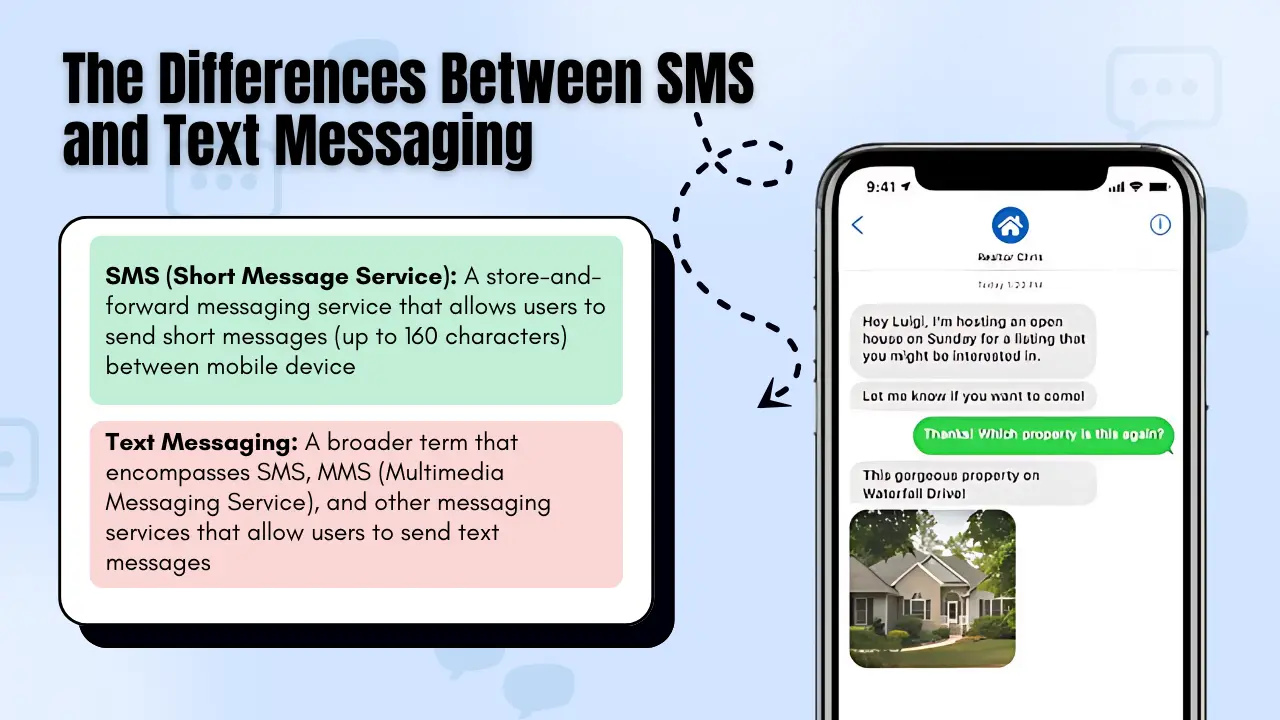
Khi nói về việc gửi tin nhắn qua điện thoại, chúng ta thường sử dụng thuật ngữ “SMS” và “tin nhắn văn bản” thay thế cho nhau. SMS, hay Dịch vụ tin nhắn ngắn, đề cập đến một loại tin nhắn văn bản cụ thể được giới hạn ở 160 ký tự và không bao gồm bất kỳ nội dung đa phương tiện nào. Trong những ngày đầu của điện thoại di động, “SMS” là một thuật ngữ được sử dụng rộng rãi và mọi người thậm chí còn nói rằng họ đang “SMS” cho ai đó.
Ngày nay, chúng ta thường sử dụng thuật ngữ “văn bản” cho những tin nhắn này. Văn bản có thể bao gồm cả tin nhắn SMS và các hình thức nâng cao hơn như MMS (Dịch vụ nhắn tin đa phương tiện), cho phép người dùng gửi hình ảnh, video và âm thanh. Mặc dù có những quy ước đặt tên khác nhau, trong ngôn ngữ hàng ngày, SMS và tin nhắn văn bản thường được hiểu là có nghĩa điều tương tự.
Ở một số vùng trên lục địa Châu Âu, mọi người vẫn có thể gọi những tin nhắn này là gửi “SMS”. Trong khi đó, ở các khu vực nói tiếng Anh như Hoa Kỳ, “tin nhắn văn bản” là đủ để mô tả ý nghĩa ban đầu của việc nhắn tin SMS. Sự phát triển của ngôn ngữ này phản ánh những thay đổi lớn hơn trong cách chúng ta sử dụng tin nhắn di động ngày nay.
Ví dụ về tin nhắn SMS
Tin nhắn SMS là một công cụ mạnh mẽ để cung cấp thông tin quan trọng một cách nhanh chóng và hiệu quả. Cho dù bạn là doanh nghiệp, tổ chức hay cá nhân, SMS có thể phục vụ nhiều mục đích khác nhau, từ lời nhắc và cập nhật cho đến cảnh báo tiếp thị và khẩn cấp. Dưới đây là một số cách thực tế có thể sử dụng tin nhắn SMS một cách hiệu quả:
- Nhắc nhở cuộc hẹnSMS reminders are a great way to ensure that customers don’t forget their scheduled appointments. A well-crafted message should include the date, time, and location of the appointment, along with any additional instructions or items to bring.
- Customer Support UpdatesWhen customers reach out to your support team, they expect timely responses. SMS messages can be used to acknowledge receipt of their request and keep them informed about the status of their inquiry or issue. These messages can provide peace of mind and help manage expectations.
- Marketing PromotionsSMS messages is an excellent channel for reaching potential customers with special offers or promotional campaigns. These messages should contain a clear call-to-action, highlight the key details of the offer, and outline any important terms or conditions. By sending relevant, timely messages, you can drive engagement and sales.
- Emergency NotificationsIn emergency situations, SMS meaning is an effective way to send urgent alerts to the community. These messages should provide clear, concise instructions on how to stay safe, what actions to take, and where to find additional resources if needed.
Key Differences Between MMS and SMS
SMS, or Short Message Service, is a type of messaging that focuses on sending brief text messages. This type of message is usually no longer than 160 characters. When it first came out, SMS was widely recognized, both as a noun and a verb. We remember when people would say they were “SMSing” a contact. Although initially intended to distinguish it from other electronic messaging types like email, today people generally refer to these messages as simply “texts.”
MMS, or Multimedia Messaging Service, allows us to send messages that include images, videos, and other media. Unlike SMS, MMS can handle larger amounts of data, giving us more room to convey richer content beyond basic text.
| Tính năng | tin nhắn SMS | MMS |
|---|---|---|
| Giới hạn ký tự | Up to 160 characters | No strict limit (depends on carrier) |
| Media Support | Chỉ văn bản | Supports images, videos, audio |
In everyday language, SMS has become synonymous with text messages in many English-speaking places, even though technically, MMS extends the possibilities with multimedia content. While we may use “text” informally, knowing the difference is useful for understanding how different messages are transmitted and received.
Bạn cũng có thể biết:
SMS vs MMS text messages: Meaning & Differences
Make your messages stand out with reliable, fast, and effective communication. Elevate your texting game today!
More People Than Ever Use This Technology
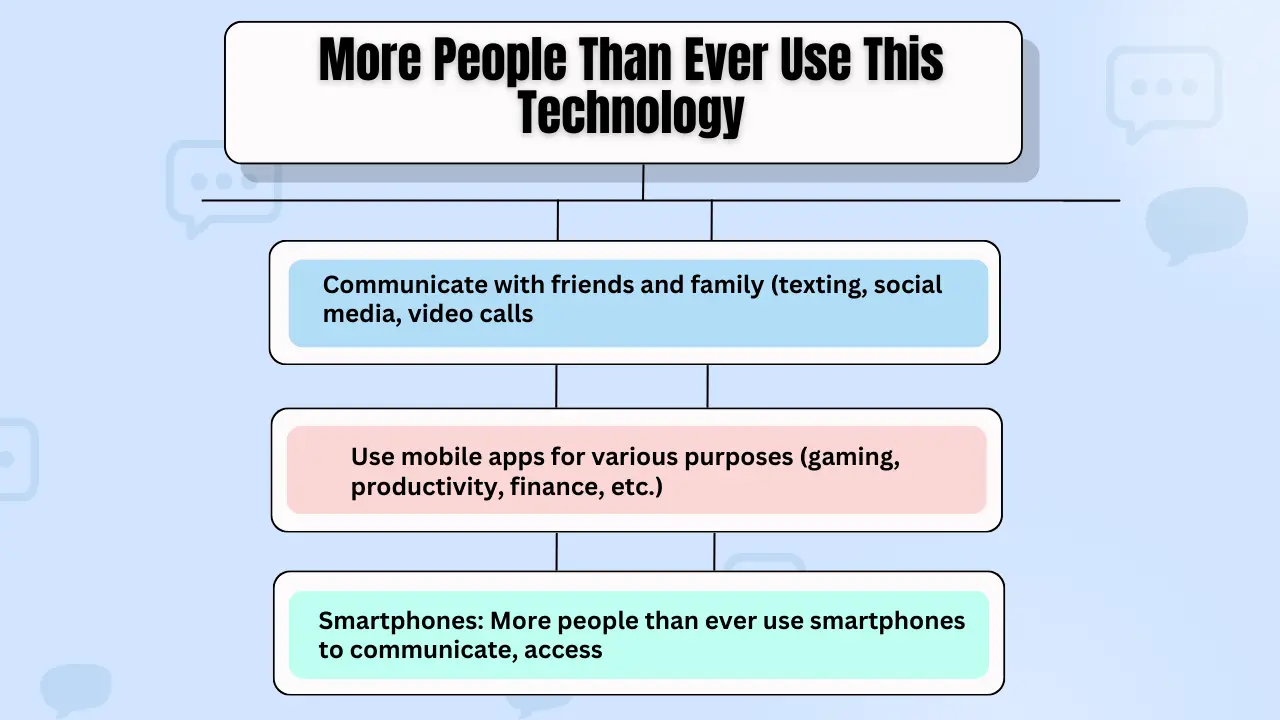
With the rise of smartphones, texting has become an indispensable part of everyday life. Even as social media and messaging apps gain popularity, SMS messages remains a leading form of communication, offering convenience, reliability, and wide accessibility. This trend is not just a passing phase—text messaging continues to dominate due to its ease of use and high engagement rates.
High Cell Phone Ownership: 83% of American adults own a cell phone, showcasing the widespread adoption of mobile technology.
Daily Texting Usage: Nearly 75% of cell phone users text daily, highlighting how integral SMS communication has become.
Average Text Volume: On average, users send and receive about 41.5 text messages per day, illustrating the frequency of texting.
Text Messaging Dominance: Despite the rise of social media and messaging apps, texting remains one of the most popular and reliable forms of communication.
Support from Cellular Networks: Cellular networks continue to efficiently handle the high volume of text messages, ensuring consistent communication.
Enduring Importance of Texting: Text messaging remains a key way to stay connected, much like it did with earlier mobile phones, making it essential for businesses and personal communication alike.
Leading Approach for Marketing with Customers
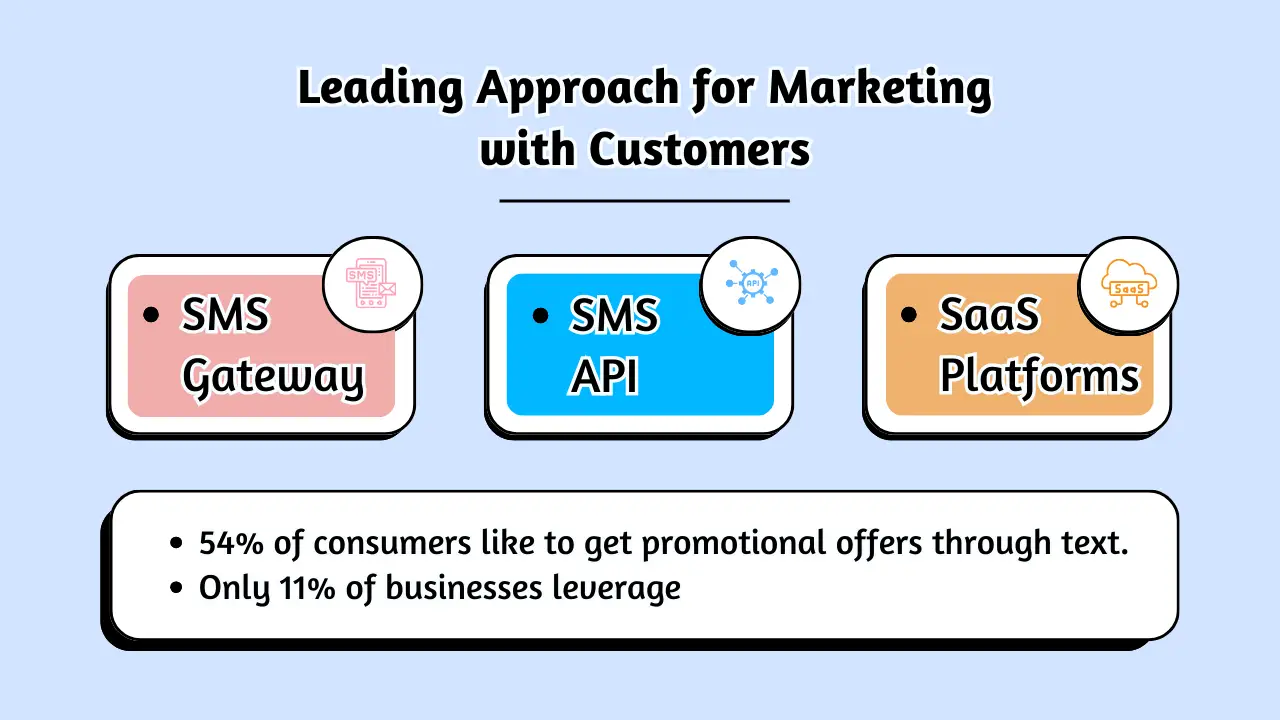
Text messaging has emerged as a leading method for reaching out to customers. The brevity of SMS messages plays a crucial role in their popularity. Customers prefer brief and direct communication, making SMS an ideal channel.
Trust in text messaging is remarkably high. Many customers view SMS as a secure communication method due to its low spam incidence. While emails have a spam rate of 53%, SMS messages exhibit a significantly lower rate of 2.8%. This helps foster confidence among consumers when they receive messages via text.
Preference for SMS
- 54% of consumers like to get promotional offers through text.
- Only 11% of businesses leverage this powerful tool.
| Statistic | Insight |
|---|---|
| 84% of consumers | Have received an SMS from a business, showing just how widely adopted SMS communication has become. |
| 82% of people | Open every text message they receive, significantly higher than the average email open rate of 22.71%. |
| Consumers aged 60+ | Check their phones at least 3 times per hour, proving that texting isn’t just for younger audiences. |
| 70% of consumers | Prefer SMS marketing as a way for businesses to grab their attention. |
| 83% of consumers | Want to receive appointment reminders via text. |
| 66% of consumers | Want to receive service reminders via text. |
| 54% of consumers | Prefer receiving promotions through SMS messages. |
| 60% of consumers | Want to be able to respond to business SMS messages, making text interactions more dynamic. |
The historical effectiveness of text messaging contributes to its popularity. Messages are not just quick but also feel personal and intimate. Texts reach us on our phones and don’t require opening an app or email client. Still, email remains indispensable in professional settings, supported by DMARC rules.
Many of us keep our phones close, increasing the likelihood of immediate interaction. SMS marketing continues to provide an excellent way for businesses to connect with their audience promptly. By tapping into the personal nature of text messaging, companies can create impactful engagements with their customers.
Texting Tools for Your Business
To set up SMS messages, you have several options:
- SMS Gateway: Services like Twilio, Clickatell, and Nexmo provide two-way communication, allowing you to send bulk messages and receive replies. These platforms are ideal for businesses looking to reach large audiences quickly and manage responses effectively.
- SMS API: APIs such as MessageBird, Plivo, and Sinch enable seamless integration of text messaging capabilities directly into your existing software applications. This option offers flexibility and control, allowing you to automate messages and streamline customer interactions within your current system.
- SaaS Platforms: Platforms like Textlocal, Trumpia, and Zang offer user-friendly interfaces with a variety of tools to design campaigns, manage contacts, and analyze results. These solutions are perfect for businesses seeking a comprehensive, easy-to-use platform to handle their text message marketing needs.
People Prefer Texts Over Phone Calls
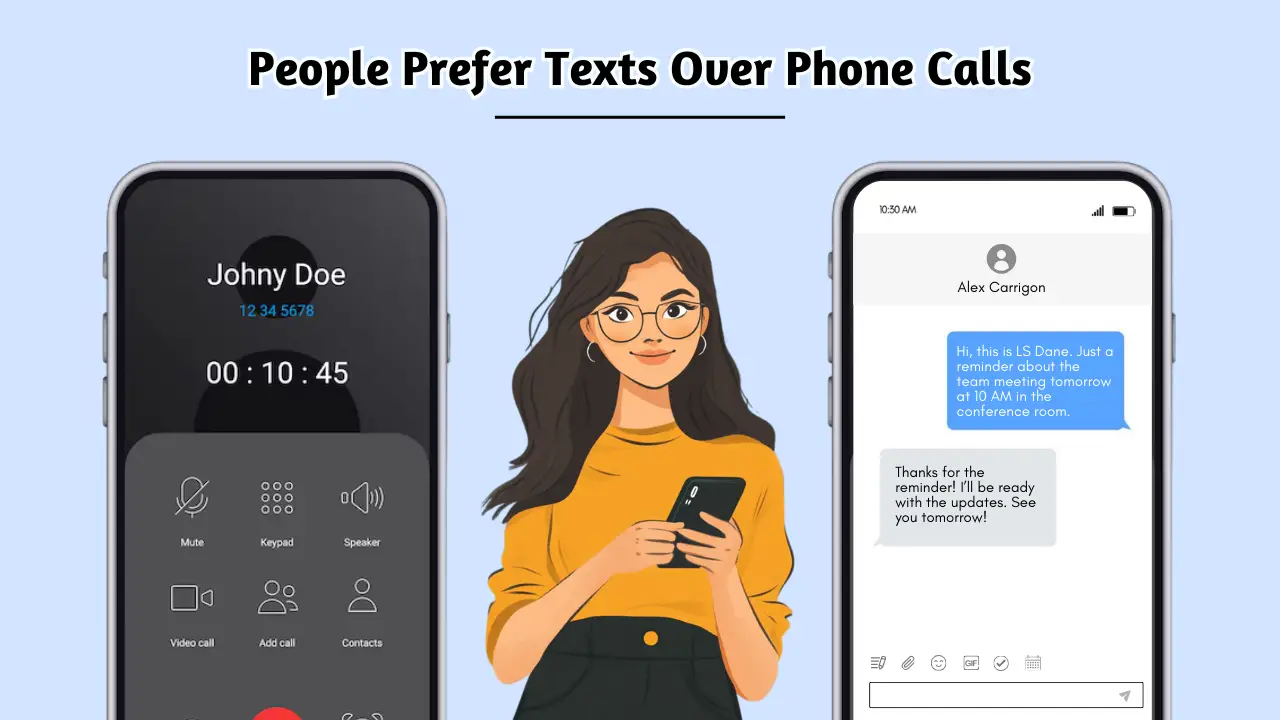
In our observations, texting has become the go-to means of communication, especially among younger generations. A significant percentage of millennials use ss extensively each day. This is likely tied to the fact that many of us grew up with this technology, making texting feel effortless and convenient.Texting offers:
- Quick and Efficient: Texting allows for fast exchanges without long conversations, making it ideal for brief updates or simple queries.
- Less Interruptive: Unlike phone calls, texts don’t demand immediate attention, allowing people to respond when it’s convenient for them.
- Flexible Response Time: Texting offers the freedom to reply at one’s own pace, making it less stressful than phone calls.
- Generational Shift: Millennials and Gen Z, who grew up with texting, find it effortless and convenient. Even those who didn’t have texting early on have adopted it.
- Global Trend: Texting has become a global communication preference, with early adoption seen in countries like Japan.
- Evolving Communication Habits: The shift from phone calls to texting highlights how technology has reshaped communication, making texting a more efficient and preferred option.
Even those who didn’t have texting in their youth have embraced it. We’ve noticed a shift towards messaging in various parts of the world, with early cases seen in places like Japan. As a result, texting is not just a trend but a clear preference over phone conversations. This change is clear evidence of how communication habits have evolved with technological advancements.
The Future of Text Messaging
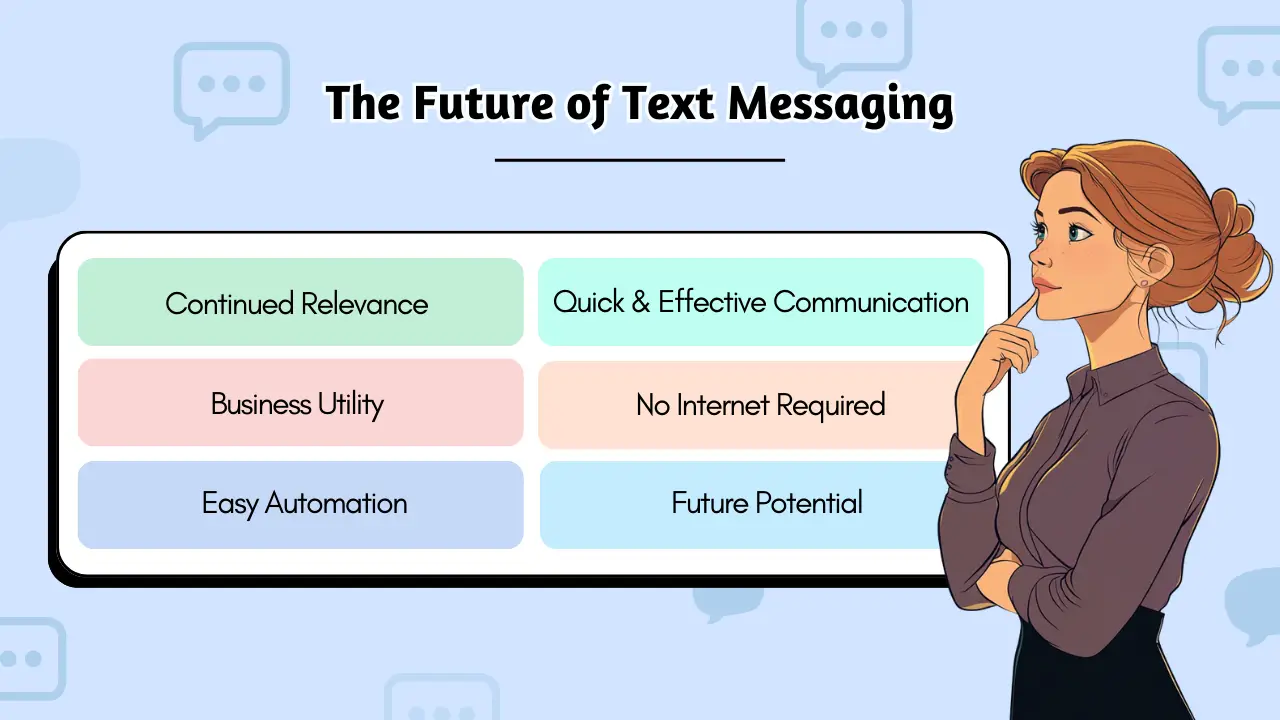
Text messaging has stayed relevant and continues to grow, even with the rise of fast Internet technologies like 4G and 5G. While these technologies make transferring large files easier, many people still value the simple, straightforward way text messages send quick bits of information. This makes texting a great tool that suits both personal and professional needs.
In business, text messaging has become a vital part of marketing strategies. Companies use it to keep customers updated on the products and services they care about. They send out reminders for meetings and share important work details directly through automated systems. The beauty of texting lies in its simplicity and adaptability. Messages can be sent without needing an Internet connection, making them accessible anywhere and anytime.
Text messages are easy to integrate into automated systems, allowing businesses to communicate effectively without much hassle. As long as people need swift and uncomplicated communication, text messaging will remain essential. So, let’s embrace its potential and consider starting our own text message marketing journey today!
Conclusion
When we explore SMS and text messaging, it is important to understand the differences and functions they hold in today’s world. SMS, which stands for Short Message Service, is a protocol used for exchanging short, simple messages over cellular networks. It’s a reliable means of communication due to its straightforward approach and availability across most mobile devices globally.
In contrast, the term “text messaging” is more general. It includes SMS but also refers to messages sent using internet-based messaging services. These services might support rich multimedia like images and videos, unlike SMS text message which is limited to text.
SMS vs. Text Messaging: Key Points
- Technology: SMS uses cellular networks, while text messaging can include internet-based apps.
- Content: SMS supports only text up to 160 characters; text messaging can handle multimedia.
- Cost: Traditional SMS may incur per-message charges, but many modern text messaging services use data or Wi-Fi, which might be more economical, depending on the user’s data plan.
Understanding these distinctions can help users choose the best communication method for their needs. For more in-depth comparisons of SMS and text messaging, explore the analysis offered by SMSLocal. Let’s make sure we’re using the right tools to communicate effectively!
At SMSLocal, we provide reliable and easy-to-use SMS solutions to help you connect with your audience. Start your text message marketing journey with us today
Câu hỏi thường gặp
Yes, SMS (Short Message Service) and text messaging are often used interchangeably. SMS is the technical term for sending short text messages over a cellular network, while “text message” is a more general term that can refer to any type of written message sent between devices, including SMS and messages sent via internet-based apps.
SMS stands for Short Message Service, which is the protocol used for sending text messages between mobile phones over cellular networks. The term “text message” is often used to describe SMS, but it can also encompass other forms of messaging, including messages sent via apps like iMessage or WhatsApp, which don’t use the SMS protocol.
SMS (Short Message Service) is a system for sending short text messages, typically limited to 160 characters, over a cellular network. It is widely used for personal and business communication and works on almost all mobile phones.
The terms “text message” and “SMS message” are often used interchangeably, but “text message” is a broader term that can refer to any text-based communication. SMS specifically refers to messages sent over the cellular network with a 160-character limit, while text messages may also include those sent through internet-based services like iMessage or WhatsApp.
An SMS message refers to a short message sent using the Short Message Service protocol over a cellular network. It is a basic, text-only communication method used for personal, business, and marketing purposes.
When you see “SMS” on a text message, it typically indicates that the message was sent using the Short Message Service protocol. This is the traditional method of sending text messages between mobile phones, as opposed to messages sent through internet-based platforms like iMessage or WhatsApp.
On Android, SMS refers specifically to the traditional text messages sent via the cellular network, while other forms of messaging like WhatsApp or Facebook Messenger use internet data instead of cellular networks. SMS is a more basic, text-only form of communication, while messaging apps on Android can include multimedia features like images and videos.