 English
Cách tạo cơ sở dữ liệu SMS đúng cách
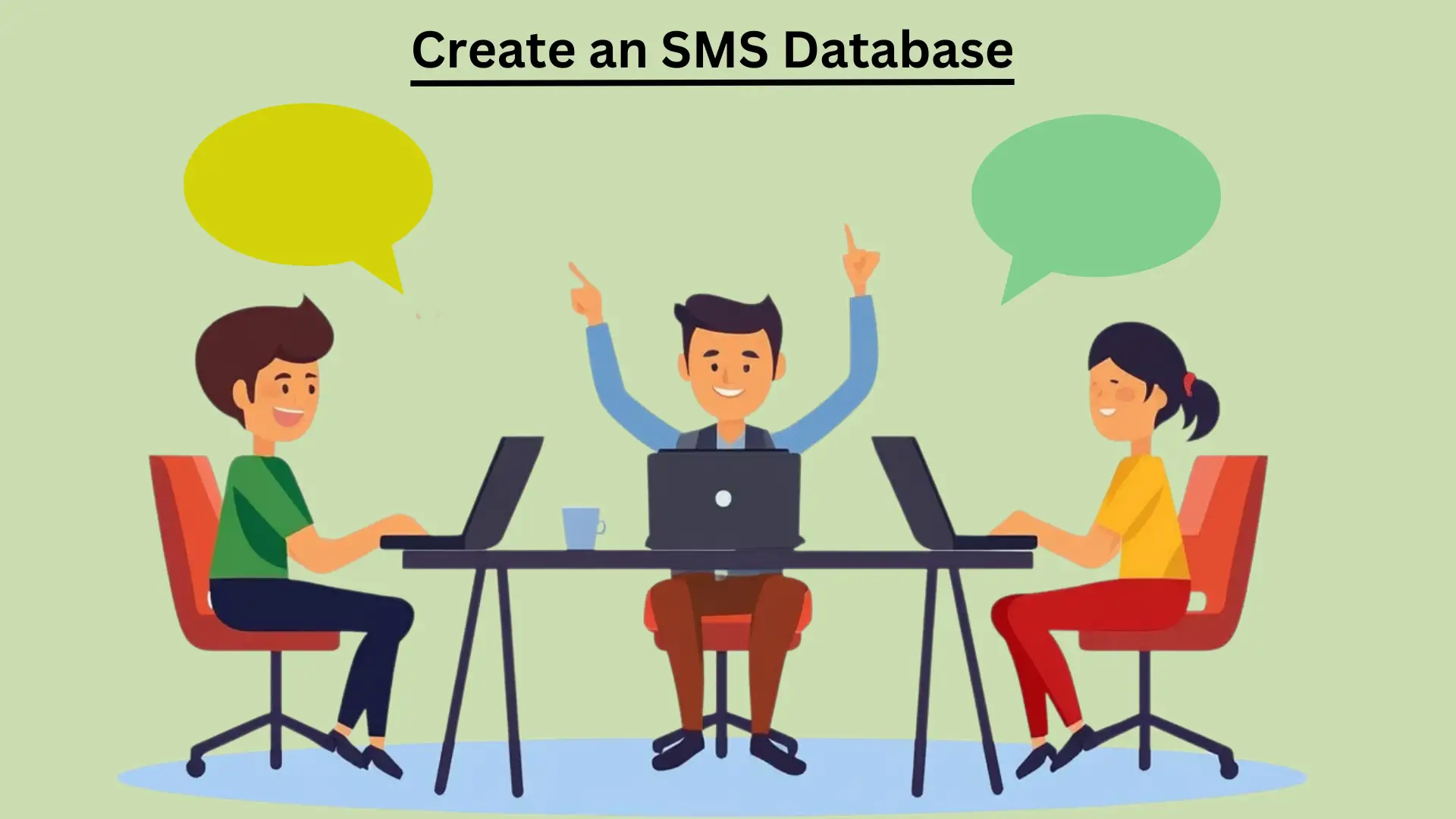
Nếu bạn đang kinh doanh tiếp thị văn bản, bạn biết rằng một trong những thành phần quan trọng nhất là cơ sở dữ liệu SMS của bạn. Đó là danh sách các số điện thoại đã chọn tham gia nhận tin nhắn từ doanh nghiệp của bạn. Nhưng cách tốt nhất để tạo danh sách này là gì? Bài đăng trên blog này sẽ hướng dẫn bạn cách tạo cơ sở dữ liệu SMS.
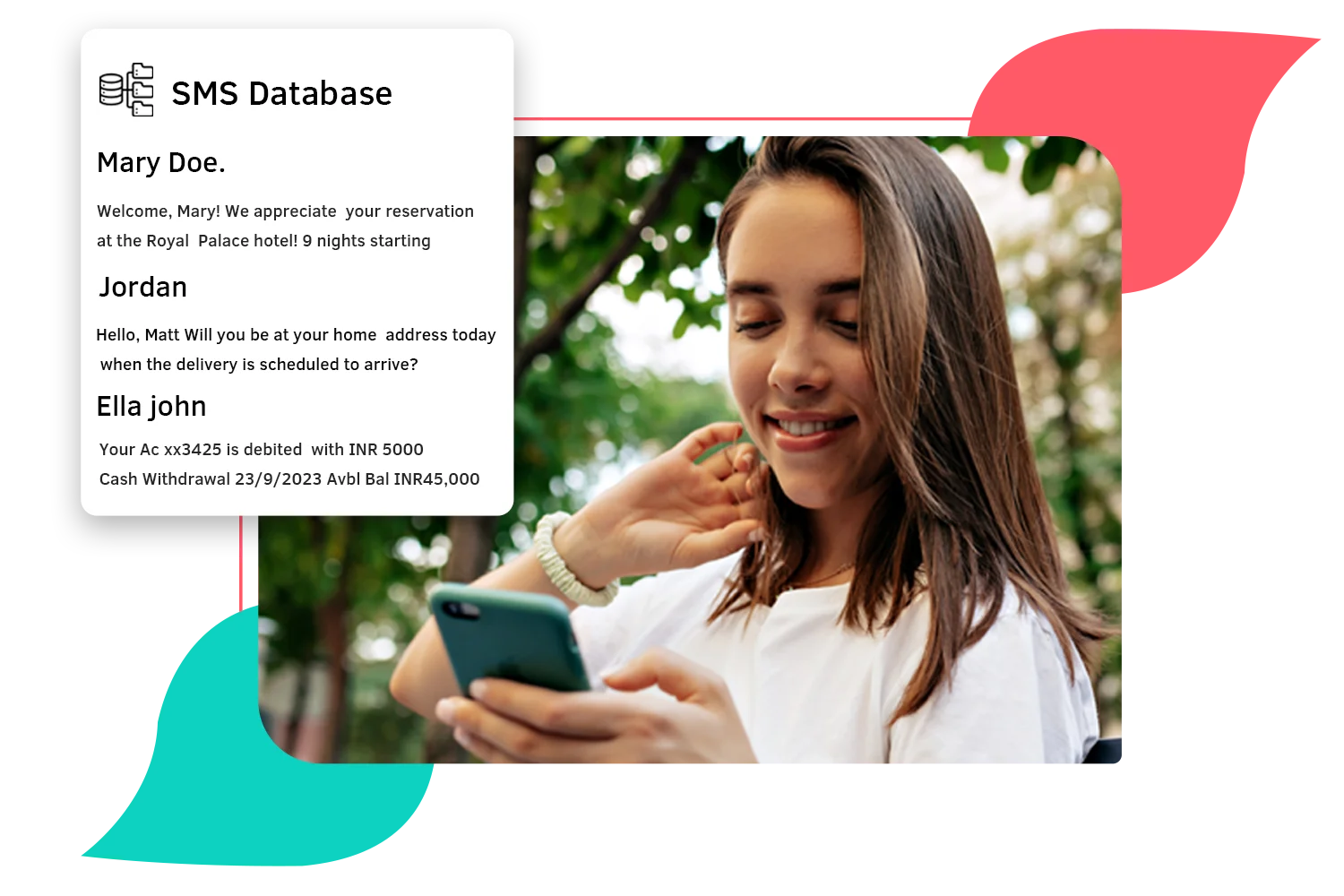
Unlike email or phone calls, text messages are short and to the point. This makes them perfect for quickly getting in touch with customers or sending them reminders and updates. However, because text messages are so concise, it can be easy to lose track of important customer information if you’re not careful. That’s why creating a database of your customers’ text message interactions from the beginning is essential.
Bài học chính
- An SMS database is a list of phone numbers whose owners have opted in to receive texts from your business.
- Build it by entering numbers manually (small lists) or by adding them automatically through an API (large lists).
- Store consent details and status with every number, and remove opt-outs straight away.
- Keep the list clean and never use bought or scraped numbers.
Why a Clean SMS Database Matters
Your database decides how well every campaign performs. A list of people who asked to hear from you gets more replies and fewer complaints, while a list full of old, invalid or unwanted numbers wastes money on messages that never arrive and risks having your messages blocked. Getting the foundation right from the start is easier than repairing it later.
There are two main ways to create an SMS database: manually or through an API. Let’s look at each method to decide which is best for your needs.
Nhập thủ công
Phương pháp đầu tiên là nhập thủ công. Điều đó có nghĩa là bạn hoặc ai đó trong nhóm của bạn sẽ cần nhập thủ công từng số điện thoại vào hệ thống của bạn. Việc này có thể tốn thời gian nhưng có lợi ích là cho phép bạn kiểm tra từng số trước khi thêm nó vào danh sách của mình. Phương pháp này phù hợp nhất với danh sách nhỏ (<1000 số).
Tích hợp API
Phương pháp thứ hai là thông qua tích hợp API. Điều đó có nghĩa là sử dụng API (Giao diện lập trình ứng dụng) để tự động thêm số mới vào danh sách của bạn khi họ chọn tham gia. Việc này nhanh hơn và dễ dàng hơn nhiều so với nhập thủ công nhưng yêu cầu bí quyết kỹ thuật. Phương pháp này phù hợp nhất với danh sách lớn (> 1000 số).
Điều quan trọng nhất là đảm bảo rằng bạn đang thu thập tất cả thông tin liên quan ở một nơi để bạn có thể dễ dàng tham khảo lại sau này. Dưới đây là một số lời khuyên:
- Thu thập thông tin liên hệ của khách hàng:Khi một khách hàng mới chọn nhận tin nhắn Cơ sở dữ liệu SMS văn bản từ doanh nghiệp của bạn, hãy đảm bảo bạn thu thập tên và số điện thoại của họ. Nó sẽ giúp bạn cá nhân hóa tin nhắn của mình và đảm bảo rằng bạn đang tiếp cận đúng người.
- Vui lòng theo dõi các lựa chọn tham gia và chọn không tham gia:Điều cần thiết là phải theo dõi xem ai đã chọn tham gia nhận tin nhắn văn bản từ doanh nghiệp của bạn và ai đã chọn không tham gia. Bằng cách đó, bạn có thể tránh việc vô tình gửi tin nhắn tiếp thị đến những người không muốn nhận chúng.
- Lưu trữ tin nhắn văn bản cũ:Sau khi bạn kết thúc cuộc trò chuyện với khách hàng hoặc giải quyết vấn đề, hãy đảm bảo bạn lưu hoặc lưu trữ nội dung trao đổi qua tin nhắn văn bản để có thể tham khảo lại sau nếu cần. Sẽ rất hữu ích nếu khách hàng liên hệ lại với bạn về cùng một vấn đề.
What to Store for Each Contact
Phone numbers on their own are not enough. For each contact, record:
- Số điện thoại in one consistent format, including the country code.
- Tên, so you can personalize messages.
- Opt-in date, time and source, for example web form, keyword text, checkout or paper form.
- The wording they agreed to, so you can show what the person consented to.
- Trạng thái: subscribed or unsubscribed, updated the moment someone opts out.
- Groups or preferences, such as location, interests or customer type, so you can send relevant messages.
- Last message and last reply, so you can see who is engaged.
Get Consent Before You Add Anyone
In the United States, marketing texts generally need the recipient’s prior express written consent, and the rules differ in other countries. In practice that means:
- Ask clearly at the point of sign-up, and say who you are, what kind of messages you will send and how often.
- Tell people they can reply STOP to opt out, and that message and data rates may apply.
- Keep a record of every opt-in so you can prove it later.
- Honor every opt-out immediately and keep those numbers off your lists.
Our guides to Tiếp thị qua SMS Và 10DLC registration explain the US rules in more detail.
Grow Your Database
Cung cấp thông tin quan trọng thu hút sự chú ý của người tiêu dùng và danh sách của bạn sẽ tiếp tục phát triển. Dưới đây là một số gợi ý để hỗ trợ bạn mở rộng cơ sở dữ liệu của mình:
Trong cửa hàng
Vì nhiều cá nhân đã tham gia vào cửa hàng hoặc cơ sở của bạn nên đây là giải pháp thay thế tuyệt vời cho chuỗi nhà hàng, cửa hàng bán lẻ, phòng tập thể dục, v.v. Ngoài ra, việc sở hữu cơ chế chọn tham gia tại chỗ là cách hoàn hảo để tạo danh sách của bạn một cách nhanh chóng, cho dù bạn có bảng đăng ký ở quầy làm việc phía trước hay nhân viên của bạn mô tả mức độ người tiêu dùng có thể tham gia trong suốt quá trình mua sắm.
Trang web truyền thông xã hội
Inspire your followers on social media to join your SMS Database of customers by constantly posting about it. Your followers could indeed opt into your list by giving a simple Text message by publishing your dedicated number.
internet
Consumers are already visiting your site, so use that traffic: add a pop-up or sign-up form, or, if you run an e-commerce platform, a checkbox at checkout. Say clearly what people are agreeing to, including the type of messages and how often you will send them, so every number you collect is a number that has opted in.
Keyword and QR Code Sign-Ups
Ask people to text a keyword to your number, such as “JOIN”, and reply with a confirmation message. A QR code on a poster, receipt or table card can open a pre-filled text or your sign-up page, which makes joining easy in the places your customers already are.
Keep Your Database Clean
- Remove opt-outs as soon as they arrive.
- Remove invalid numbers and landlines, which cannot receive SMS. You can check a number with our free carrier lookup tool.
- Merge duplicates and keep one standard format for phone numbers.
- Check in with contacts who never engage, or retire them, so your results reflect real subscribers.
- Export a backup of your list regularly.
Mistakes to Avoid
- Buying, renting or scraping numbers. People on those lists never agreed to hear from you, so using them breaks the consent rules and tends to get messages blocked.
- Not recording consent. If you cannot show when and how someone opted in, you cannot show you were allowed to text them.
- Importing old lists without checking. Make sure opted-out numbers are not added back.
- Collecting more data than you need. Ask only for what you will actually use.
Build Your Database with SMSLocal
With SMSLocal you can add contacts manually or upload a list, organize them into groups and send targeted messages from one place. Start a free trial to try it.
Phần kết luận
The best way to create an SMS database will vary depending on your needs. For example, manual entry may be your best option if you have a small list (<1000 numbers). On the other hand, API integration may be the better choice if you have an extensive list (>1000 numbers).
Whichever method you choose, make sure that you vet each number before adding it to your list to ensure optimal results for your text marketing campaigns.
Câu hỏi thường gặp
An SMS database is a list of phone numbers whose owners have opted in to receive texts from your business. It is the foundation of any text marketing program.
There are two main methods. Manual entry lets you vet each number and suits small lists, under about 1,000 numbers. API integration adds numbers automatically as people opt in, and suits larger lists but needs technical know-how.
Collect each customer's name and phone number so you can personalize messages and reach the right person, and keep track of opt-ins and opt-outs.
Give people a reason to join and make joining easy. On-site opt-ins work well for restaurants, retail stores and gyms, for example a sign-up sheet at the front desk or staff asking customers in person.