 English
如何以正确的方式创建短信数据库
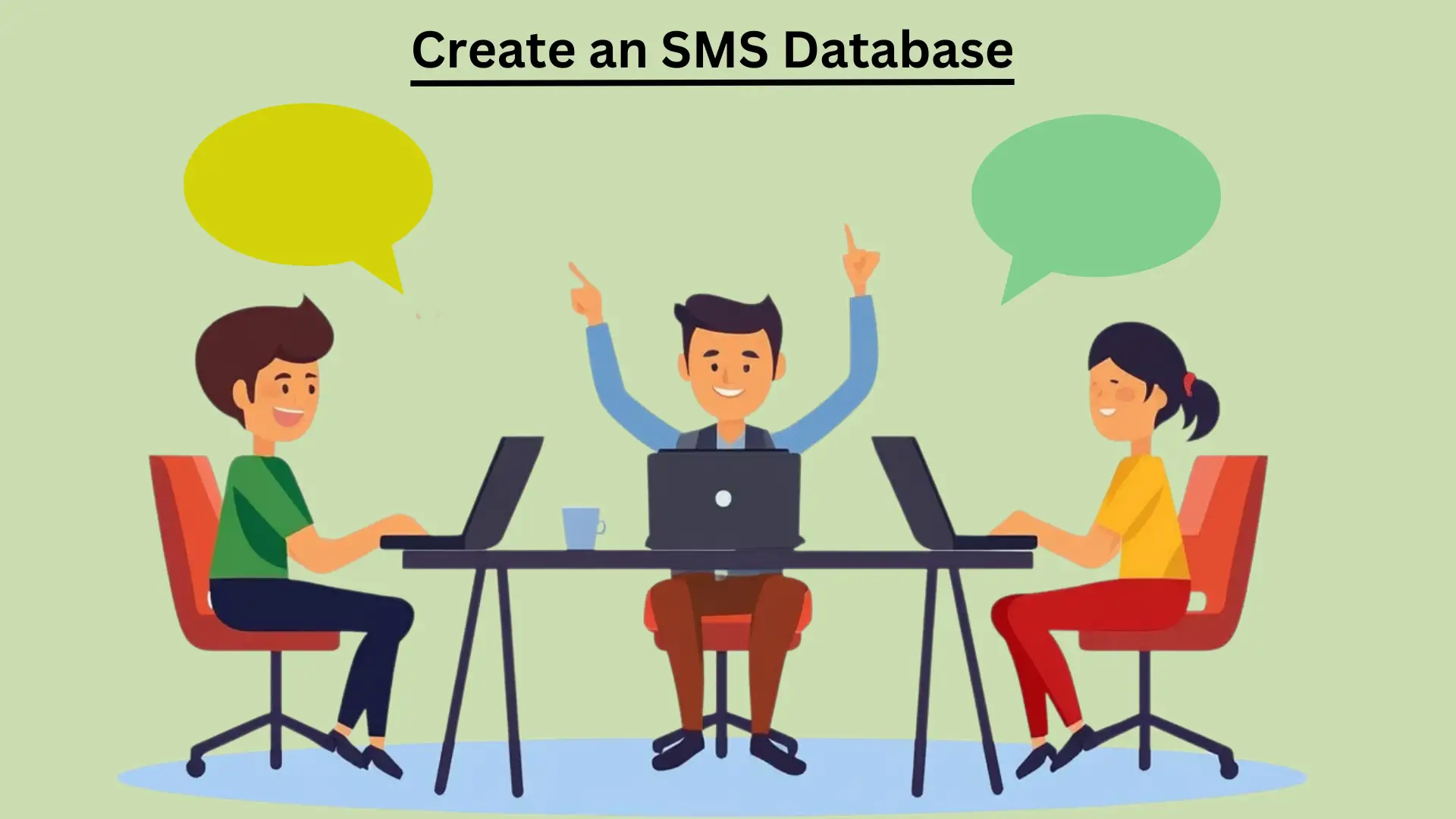
如果您从事短信营销业务,您就会知道最重要的组件之一是短信数据库。它是选择接收来自您企业的短信的电话号码列表。但是创建此列表的最佳方法是什么?这篇博文将引导您了解如何创建 SMS 数据库。
Unlike email or phone calls, text messages are short and to the point. This makes them perfect for quickly getting in touch with customers or sending them reminders and updates. However, because text messages are so concise, it can be easy to lose track of important customer information if you’re not careful. That’s why creating a database of your customers’ text message interactions from the beginning is essential.
要点
- An SMS database is a list of phone numbers whose owners have opted in to receive texts from your business.
- Build it by entering numbers manually (small lists) or by adding them automatically through an API (large lists).
- Store consent details and status with every number, and remove opt-outs straight away.
- Keep the list clean and never use bought or scraped numbers.
Why a Clean SMS Database Matters
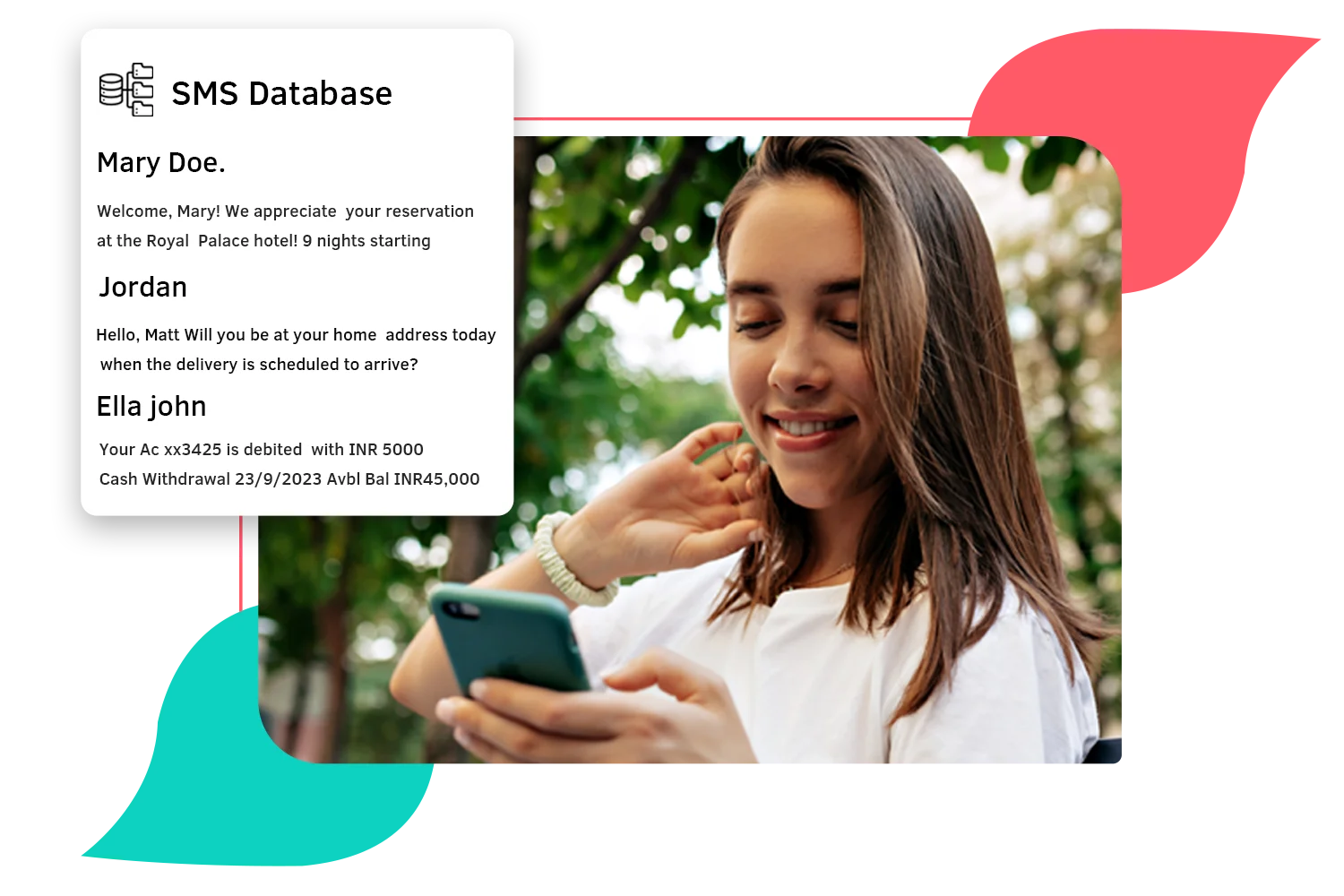
Your database decides how well every campaign performs. A list of people who asked to hear from you gets more replies and fewer complaints, while a list full of old, invalid or unwanted numbers wastes money on messages that never arrive and risks having your messages blocked. Getting the foundation right from the start is easier than repairing it later.
There are two main ways to create an SMS database: manually or through an API. Let’s look at each method to decide which is best for your needs.
手动输入
第一种方法是手动输入。这意味着您或您团队中的某人需要将每个电话号码手动输入到您的系统中。这可能很耗时,但它确实有一个好处,可以让您在将每个号码添加到列表之前对其进行审查。此方法最适合小型列表(<1000 个数字)。
API集成
第二种方法是通过API集成。这意味着使用 API(应用程序编程接口)在新号码选择加入时自动将其添加到您的列表中。这比手动输入更快、更容易,但需要技术知识。此方法最适合大型列表(>1000 个数字)。
最重要的是确保您将所有相关信息收集在一个地方,以便您以后可以轻松地参考。以下是一些提示:
- 收集客户联系信息:当新客户选择接收来自您企业的短信数据库短信时,请确保您收集他们的姓名和电话号码。它将帮助您个性化您的消息并确保您联系到正确的人。
- 请跟踪选择加入和选择退出:跟踪谁选择接收来自您企业的短信以及谁选择退出非常重要。这样,您就可以避免意外地将营销消息发送给没有兴趣接收的人。
- 存档旧短信:完成与客户的对话或解决问题后,请确保保存或存档短信交流,以便以后在必要时参考。如果客户再次就同一问题与您联系,这会很方便。
What to Store for Each Contact
Phone numbers on their own are not enough. For each contact, record:
- 电话号码 in one consistent format, including the country code.
- 姓名, so you can personalize messages.
- Opt-in date, time and source, for example web form, keyword text, checkout or paper form.
- The wording they agreed to, so you can show what the person consented to.
- 地位: subscribed or unsubscribed, updated the moment someone opts out.
- Groups or preferences, such as location, interests or customer type, so you can send relevant messages.
- Last message and last reply, so you can see who is engaged.
Get Consent Before You Add Anyone
In the United States, marketing texts generally need the recipient’s prior express written consent, and the rules differ in other countries. In practice that means:
- Ask clearly at the point of sign-up, and say who you are, what kind of messages you will send and how often.
- Tell people they can reply STOP to opt out, and that message and data rates may apply.
- Keep a record of every opt-in so you can prove it later.
- Honor every opt-out immediately and keep those numbers off your lists.
Our guides to 短信营销 和 10DLC registration explain the US rules in more detail.
Grow Your Database
提供引起消费者注意的重要信息,您的列表将会不断增长。以下是一些帮助您扩展数据库的建议:
店内
由于许多人已经参与您的商店或设施,因此对于连锁餐厅、零售店、体育馆等来说,这是一个绝佳的选择。此外,拥有现场选择加入机制是快速创建列表的完美方式,无论您在前台工作站有登记表还是您的员工描述消费者在整个购物过程中的参与程度。
社交媒体网站
Inspire your followers on social media to join your SMS Database of customers by constantly posting about it. Your followers could indeed opt into your list by giving a simple Text message by publishing your dedicated number.
互联网
Consumers are already visiting your site, so use that traffic: add a pop-up or sign-up form, or, if you run an e-commerce platform, a checkbox at checkout. Say clearly what people are agreeing to, including the type of messages and how often you will send them, so every number you collect is a number that has opted in.
Keyword and QR Code Sign-Ups
Ask people to text a keyword to your number, such as “JOIN”, and reply with a confirmation message. A QR code on a poster, receipt or table card can open a pre-filled text or your sign-up page, which makes joining easy in the places your customers already are.
Keep Your Database Clean
- Remove opt-outs as soon as they arrive.
- Remove invalid numbers and landlines, which cannot receive SMS. You can check a number with our free carrier lookup tool.
- Merge duplicates and keep one standard format for phone numbers.
- Check in with contacts who never engage, or retire them, so your results reflect real subscribers.
- Export a backup of your list regularly.
Mistakes to Avoid
- Buying, renting or scraping numbers. People on those lists never agreed to hear from you, so using them breaks the consent rules and tends to get messages blocked.
- Not recording consent. If you cannot show when and how someone opted in, you cannot show you were allowed to text them.
- Importing old lists without checking. Make sure opted-out numbers are not added back.
- Collecting more data than you need. Ask only for what you will actually use.
Build Your Database with SMSLocal
With SMSLocal you can add contacts manually or upload a list, organize them into groups and send targeted messages from one place. Start a free trial to try it.
结论
The best way to create an SMS database will vary depending on your needs. For example, manual entry may be your best option if you have a small list (<1000 numbers). On the other hand, API integration may be the better choice if you have an extensive list (>1000 numbers).
Whichever method you choose, make sure that you vet each number before adding it to your list to ensure optimal results for your text marketing campaigns.
常见问题解答
An SMS database is a list of phone numbers whose owners have opted in to receive texts from your business. It is the foundation of any text marketing program.
There are two main methods. Manual entry lets you vet each number and suits small lists, under about 1,000 numbers. API integration adds numbers automatically as people opt in, and suits larger lists but needs technical know-how.
Collect each customer's name and phone number so you can personalize messages and reach the right person, and keep track of opt-ins and opt-outs.
Give people a reason to join and make joining easy. On-site opt-ins work well for restaurants, retail stores and gyms, for example a sign-up sheet at the front desk or staff asking customers in person.