
 English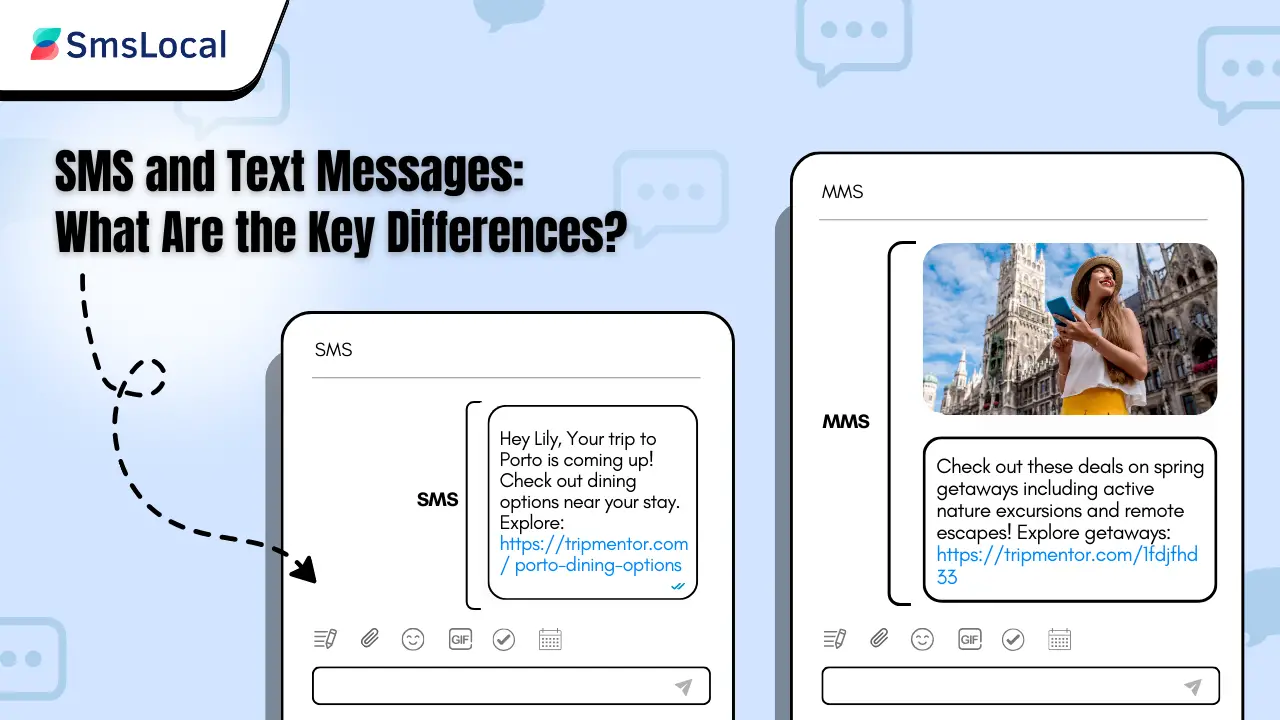
Introduktion
Använder ditt företag SMS och textmeddelanden på rätt sätt?
Med 97 % av amerikanerna som äger en mobiltelefon och 85 % äger en smartphone, har mobilmeddelanden blivit ett av de mest effektiva sätten att nå din publik. Men vad är SMS, och hur passar det in i din kommunikationsstrategi? Förstå SMS och dess skillnader från andra former av textmeddelanden är avgörande för att säkerställa att ditt företag använder rätt verktyg för att få kontakt med kunder.
SMS har varit en stapelvara i digital kommunikation sedan 1990-talet, och dess roll i marknadsföringen fortsätter att växa. På SMSLocal känner vi till kraften med SMS för att engagera kunder, och vi är här för att hjälpa dig att maximera dess potential. Låt oss utforska de viktigaste skillnaderna och varför SMS-innebörden fortfarande är avgörande i moderna marknadsföringsstrategier.
Att förstå dessa meddelandealternativ är viktigt i en digital värld där snabbt informationsutbyte värdesätts. Medan SMS fokuserar på att skicka korta textmeddelanden, MMS rymmer multimediainnehåll som bilder och videor. Att skilja mellan dessa tjänster hjälper användarna att bestämma det bästa sättet att interagera med andra, oavsett om det är genom kortfattade textuppdateringar eller rikare medieupplevelser. Vår förtrogenhet med framstegen inom meddelandeteknik gör att vi kan anpassa oss och dra nytta av dess fördelar.
Viktiga takeaways
- SMS används ofta för snabb textbaserad kommunikation.
- MMS gör det möjligt att skicka multimediainnehåll som bilder och videor.
- Meddelandetjänster är avgörande för personlig kommunikation och marknadskommunikation.
Vad är SMS?
SMS (Short Message Service) är en textmeddelanden tjänst som möjliggör utbyte av korta textmeddelanden sms, vanligtvis upp till 160 tecken. Det fungerar över olika mobilnät, vilket gör det till ett snabbt och bekvämt sätt att skicka kortfattade meddelanden till individer eller grupper.
Även om SMS vanligtvis används för personliga samtal eller snabba utbyten, har det också blivit ett viktigt kommunikationsverktyg för företag, både för interna och externa meddelanden. Med tiden har SMS-meddelanden utvecklats till en viktig del av mobil kommunikation, och blivit något många av oss förlitar sig på dagligen.
Vad betyder SMS och MMS
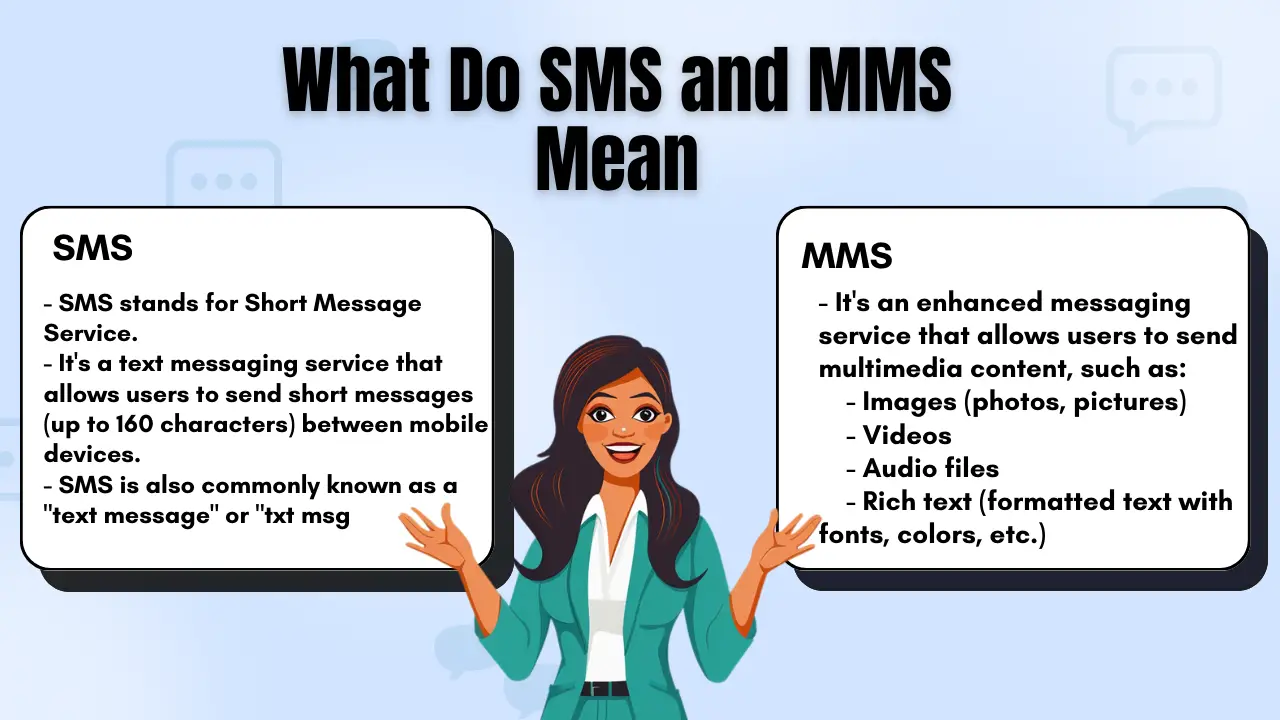
SMS, eller Short Message Service, är standarden för att skicka sms. Varje meddelande är upp till 160 tecken långt, inklusive mellanslag. Denna metod används ofta eftersom den är enkel och snabb.
MMS, som står för Multimedia Messaging Service, låter oss skicka mer än bara text. Vi kan dela bilder, videor eller ljudklipp med vårt vanliga mobilnätverk. Innan smartphones och appar var MMS det bästa sättet att skicka bilder till vänner och familj. Dessa tjänster är en del av hur vi håller kontakten varje dag.
Här är en snabb jämförelse:
| Särdrag | SMS | MMS |
|---|---|---|
| Innehållstyp | Endast text | Multimedia (bilder, videor, ljud) |
| Karaktärsgräns | 160 tecken | Ingen strikt gräns för innehållsstorlek |
| Användande | Snabba meddelanden | Dela media |
Hur många tecken kan meddelanden skicka?
Textmeddelanden, även kända som SMS, är rent textbaserade och är ofta begränsade till 160 tecken per meddelande. När vi överskrider denna gräns kan meddelandet delas upp i flera delar. Det är möjligt för sms att delas upp i upp till 6 delar, med sammanlagt 918 tecken.
Det är viktigt att notera att vissa tjänster kan förvandla längre textmeddelanden till bildmeddelanden, så kallade MMS, som kan vara dyrare beroende på operatör. Vissa plattformar, som smslocal, byter dock inte till MMS, inte ens för långa texter.
Skillnaderna mellan SMS och textmeddelanden
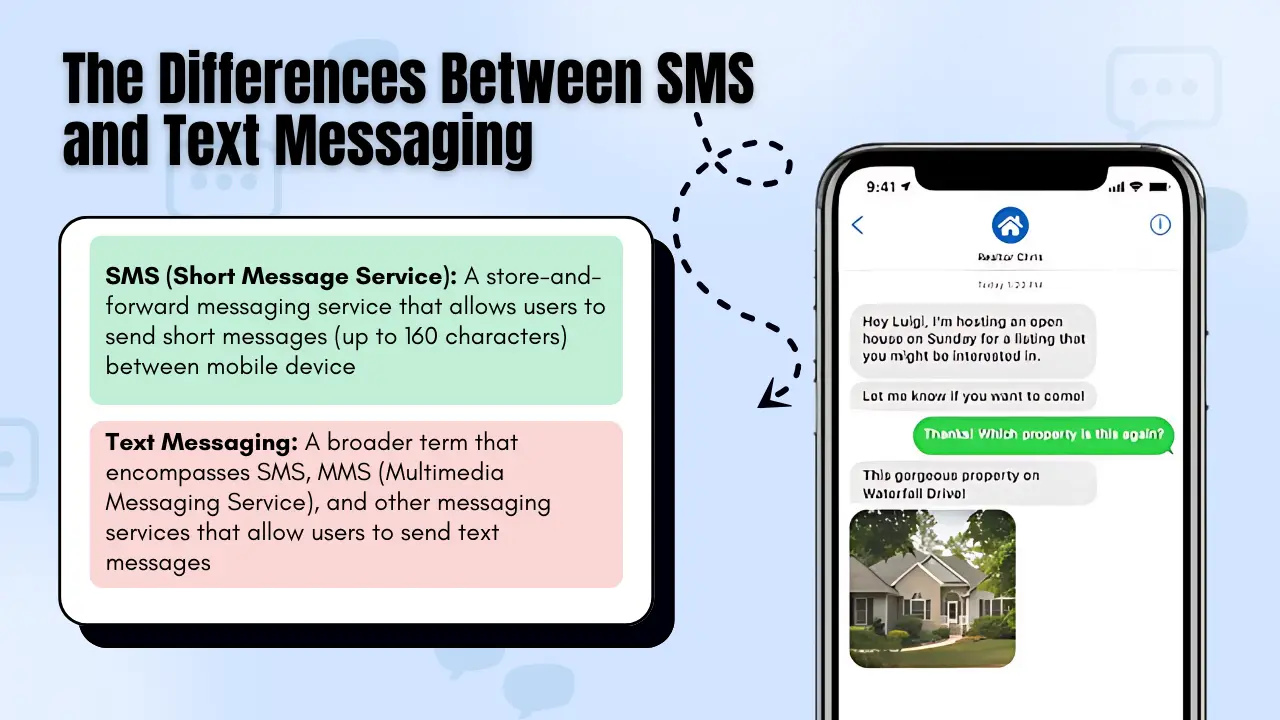
När vi pratar om att skicka meddelanden via våra telefoner använder vi ofta termerna "SMS" och "textmeddelande" omväxlande. SMS, eller Short Message Service, hänvisar till en specifik typ av textmeddelande som är begränsad till 160 tecken och inte innehåller något multimediainnehåll. I början av mobiltelefoner var "SMS" ett flitigt använt begrepp, och folk skulle till och med säga att de "smsade" någon.
Idag använder vi vanligtvis termen "text" för dessa meddelanden. Texter kan innehålla både SMS och mer avancerade former som MMS (Multimedia Messaging Service), som låter användare skicka bilder, videor och ljud. Trots olika namnskick, i vardagsspråk, SMS och textmeddelanden förstås ofta betyda samma sak.
I vissa delar av den europeiska kontinenten kan folk fortfarande hänvisa till dessa meddelanden som att skicka ett "SMS". Samtidigt, i engelsktalande regioner som USA, räcker det med "sms" för att beskriva vad sms från början stod för. Utvecklingen av detta språk speglar bredare förändringar i hur vi använder mobilmeddelanden idag.
Exempel på SMS
SMS är ett kraftfullt verktyg för att snabbt och effektivt leverera viktig information. Oavsett om du är ett företag, en organisation eller en individ kan SMS tjäna en mängd olika syften, från påminnelser och uppdateringar till marknadsföring och nödvarningar. Här är några praktiska sätt som SMS-meddelanden kan användas effektivt:
- Påminnelser om möteSMS-påminnelser är ett utmärkt sätt att se till att kunderna inte glömmer sina schemalagda möten. Ett välarbetat meddelande bör innehålla datum, tid och plats för mötet, tillsammans med eventuella ytterligare instruktioner eller föremål att ta med.
- Uppdateringar för kundsupportNär kunder kontaktar ditt supportteam förväntar de sig snabba svar. SMS-meddelanden kan användas för att bekräfta mottagandet av deras begäran och hålla dem informerade om status för deras förfrågan eller ärende. Dessa meddelanden kan ge sinnesfrid och hjälpa till att hantera förväntningar.
- MarknadsföringskampanjerSMS är en utmärkt kanal för att nå potentiella kunder med specialerbjudanden eller reklamkampanjer. Dessa meddelanden bör innehålla en tydlig uppmaning, markera de viktigaste detaljerna i erbjudandet och beskriva alla viktiga villkor. Genom att skicka relevanta meddelanden i rätt tid kan du driva engagemang och försäljning.
- NödmeddelandenI nödsituationer, SMS betydelse är ett effektivt sätt att skicka brådskande varningar till samhället. Dessa meddelanden bör ge tydliga, kortfattade instruktioner om hur man förblir säker, vilka åtgärder man ska vidta och var man kan hitta ytterligare resurser om det behövs.
Viktiga skillnader mellan MMS och SMS
SMS, eller Short Message Service, är en typ av meddelanden som fokuserar på att skicka korta textmeddelanden. Denna typ av meddelande är vanligtvis inte längre än 160 tecken. När det först kom ut var SMS allmänt erkänt, både som substantiv och verb. Vi minns när folk sa att de "smsade" en kontakt. Även om det från början var avsett att särskilja det från andra typer av elektroniska meddelanden som e-post, hänvisar folk idag vanligtvis till dessa meddelanden som helt enkelt "texter".
MMS, eller Multimedia Messaging Service, låter oss skicka meddelanden som innehåller bilder, videor och andra media. Till skillnad från SMS kan MMS hantera större mängder data, vilket ger oss mer utrymme att förmedla rikare innehåll utöver grundläggande text.
| Särdrag | SMS | MMS |
|---|---|---|
| Karaktärsgräns | Upp till 160 tecken | No strict limit (depends on carrier) |
| Media Support | Endast text | Supports images, videos, audio |
In everyday language, SMS has become synonymous with text messages in many English-speaking places, even though technically, MMS extends the possibilities with multimedia content. While we may use “text” informally, knowing the difference is useful for understanding how different messages are transmitted and received.
Du kanske också vet:
SMS vs MMS textmeddelanden: Betydelse och skillnader
Få dina meddelanden att sticka ut med pålitlig, snabb och effektiv kommunikation. Lyft ditt sms-spel idag!
More People Than Ever Use This Technology
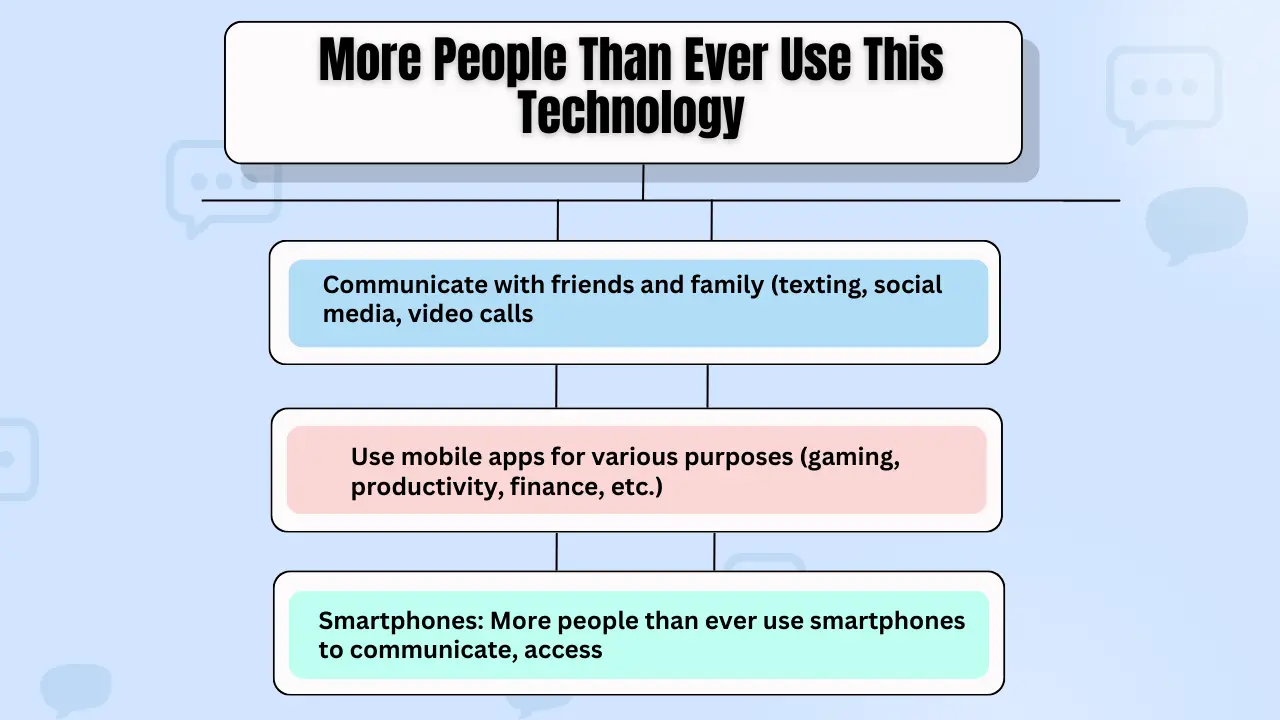
With the rise of smartphones, texting has become an indispensable part of everyday life. Even as social media and messaging apps gain popularity, SMS messages remains a leading form of communication, offering convenience, reliability, and wide accessibility. This trend is not just a passing phase—text messaging continues to dominate due to its ease of use and high engagement rates.
High Cell Phone Ownership: 83% of American adults own a cell phone, showcasing the widespread adoption of mobile technology.
Daily Texting Usage: Nearly 75% of cell phone users text daily, highlighting how integral SMS communication has become.
Average Text Volume: On average, users send and receive about 41.5 text messages per day, illustrating the frequency of texting.
Text Messaging Dominance: Despite the rise of social media and messaging apps, texting remains one of the most popular and reliable forms of communication.
Support from Cellular Networks: Cellular networks continue to efficiently handle the high volume of text messages, ensuring consistent communication.
Enduring Importance of Texting: Text messaging remains a key way to stay connected, much like it did with earlier mobile phones, making it essential for businesses and personal communication alike.
Leading Approach for Marketing with Customers
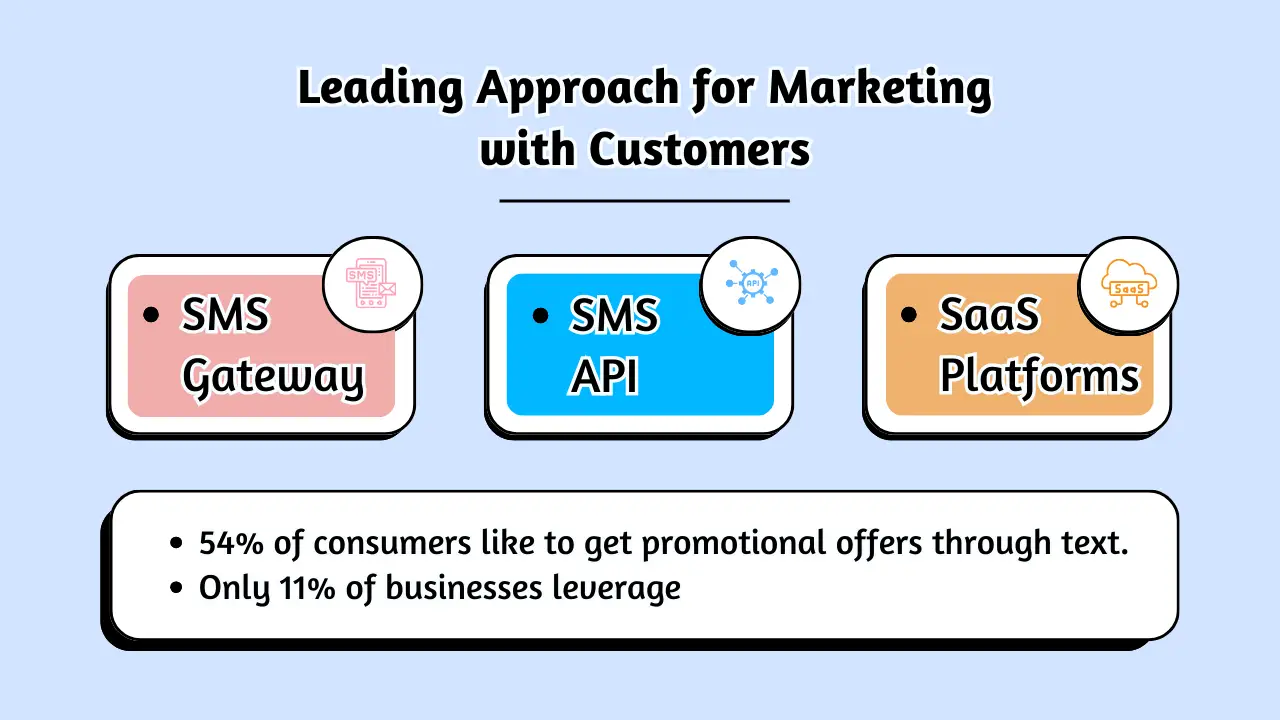
Text messaging has emerged as a leading method for reaching out to customers. The brevity of SMS messages plays a crucial role in their popularity. Customers prefer brief and direct communication, making SMS an ideal channel.
Trust in text messaging is remarkably high. Many customers view SMS as a secure communication method due to its low spam incidence. While emails have a spam rate of 53%, SMS messages exhibit a significantly lower rate of 2.8%. This helps foster confidence among consumers when they receive messages via text.
Preference for SMS
- 54% of consumers like to get promotional offers through text.
- Only 11% of businesses leverage this powerful tool.
| Statistic | Insight |
|---|---|
| 84% of consumers | Have received an SMS from a business, showing just how widely adopted SMS communication has become. |
| 82% of people | Open every text message they receive, significantly higher than the average email open rate of 22.71%. |
| Consumers aged 60+ | Check their phones at least 3 times per hour, proving that texting isn’t just for younger audiences. |
| 70% of consumers | Prefer SMS marketing as a way for businesses to grab their attention. |
| 83% of consumers | Want to receive appointment reminders via text. |
| 66% of consumers | Want to receive service reminders via text. |
| 54% of consumers | Prefer receiving promotions through SMS messages. |
| 60% of consumers | Want to be able to respond to business SMS messages, making text interactions more dynamic. |
The historical effectiveness of text messaging contributes to its popularity. Messages are not just quick but also feel personal and intimate. Texts reach us on our phones and don’t require opening an app or email client. Still, email remains indispensable in professional settings, supported by DMARC rules.
Many of us keep our phones close, increasing the likelihood of immediate interaction. SMS marketing continues to provide an excellent way for businesses to connect with their audience promptly. By tapping into the personal nature of text messaging, companies can create impactful engagements with their customers.
Texting Tools for Your Business
To set up SMS messages, you have several options:
- SMS Gateway: Services like Twilio, Clickatell, and Nexmo provide two-way communication, allowing you to send bulk messages and receive replies. These platforms are ideal for businesses looking to reach large audiences quickly and manage responses effectively.
- SMS API: APIs such as MessageBird, Plivo, and Sinch enable seamless integration of text messaging capabilities directly into your existing software applications. This option offers flexibility and control, allowing you to automate messages and streamline customer interactions within your current system.
- SaaS Platforms: Platforms like Textlocal, Trumpia, and Zang offer user-friendly interfaces with a variety of tools to design campaigns, manage contacts, and analyze results. These solutions are perfect for businesses seeking a comprehensive, easy-to-use platform to handle their text message marketing needs.
People Prefer Texts Over Phone Calls
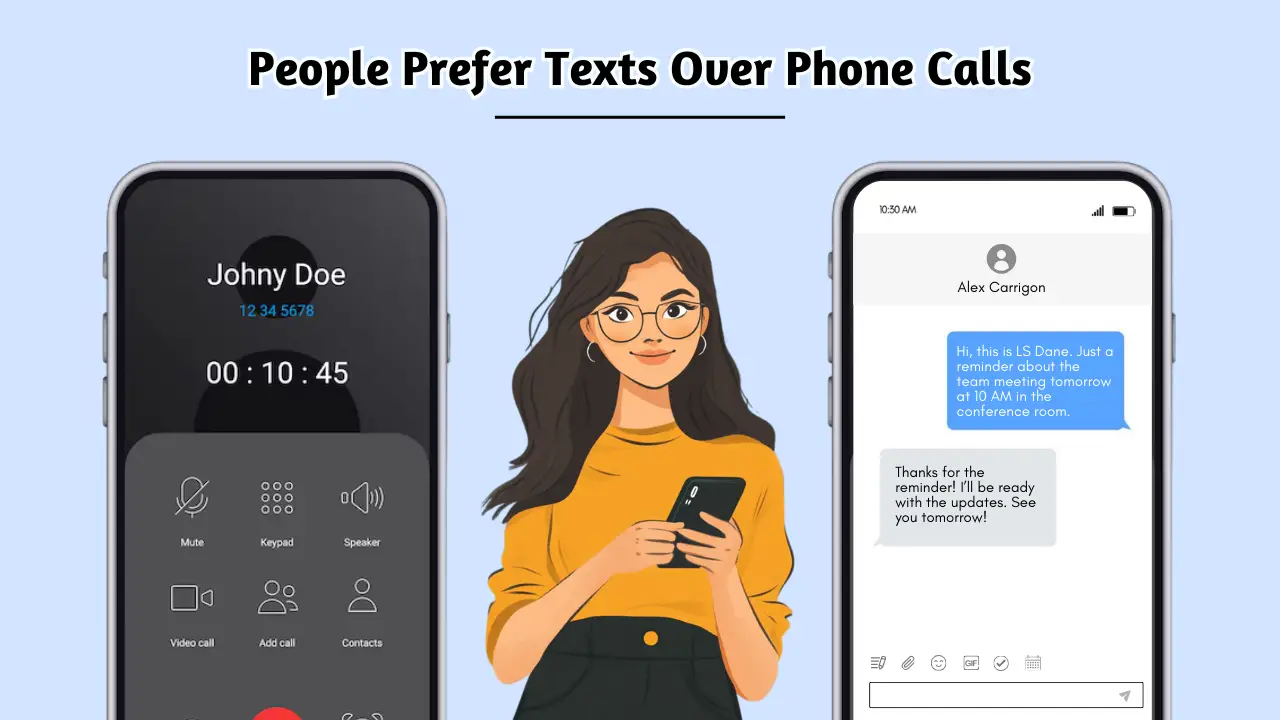
In our observations, texting has become the go-to means of communication, especially among younger generations. A significant percentage of millennials use ss extensively each day. This is likely tied to the fact that many of us grew up with this technology, making texting feel effortless and convenient.Texting offers:
- Quick and Efficient: Texting allows for fast exchanges without long conversations, making it ideal for brief updates or simple queries.
- Less Interruptive: Unlike phone calls, texts don’t demand immediate attention, allowing people to respond when it’s convenient for them.
- Flexible Response Time: Texting offers the freedom to reply at one’s own pace, making it less stressful than phone calls.
- Generational Shift: Millennials and Gen Z, who grew up with texting, find it effortless and convenient. Even those who didn’t have texting early on have adopted it.
- Global Trend: Texting has become a global communication preference, with early adoption seen in countries like Japan.
- Evolving Communication Habits: The shift from phone calls to texting highlights how technology has reshaped communication, making texting a more efficient and preferred option.
Even those who didn’t have texting in their youth have embraced it. We’ve noticed a shift towards messaging in various parts of the world, with early cases seen in places like Japan. As a result, texting is not just a trend but a clear preference over phone conversations. This change is clear evidence of how communication habits have evolved with technological advancements.
The Future of Text Messaging
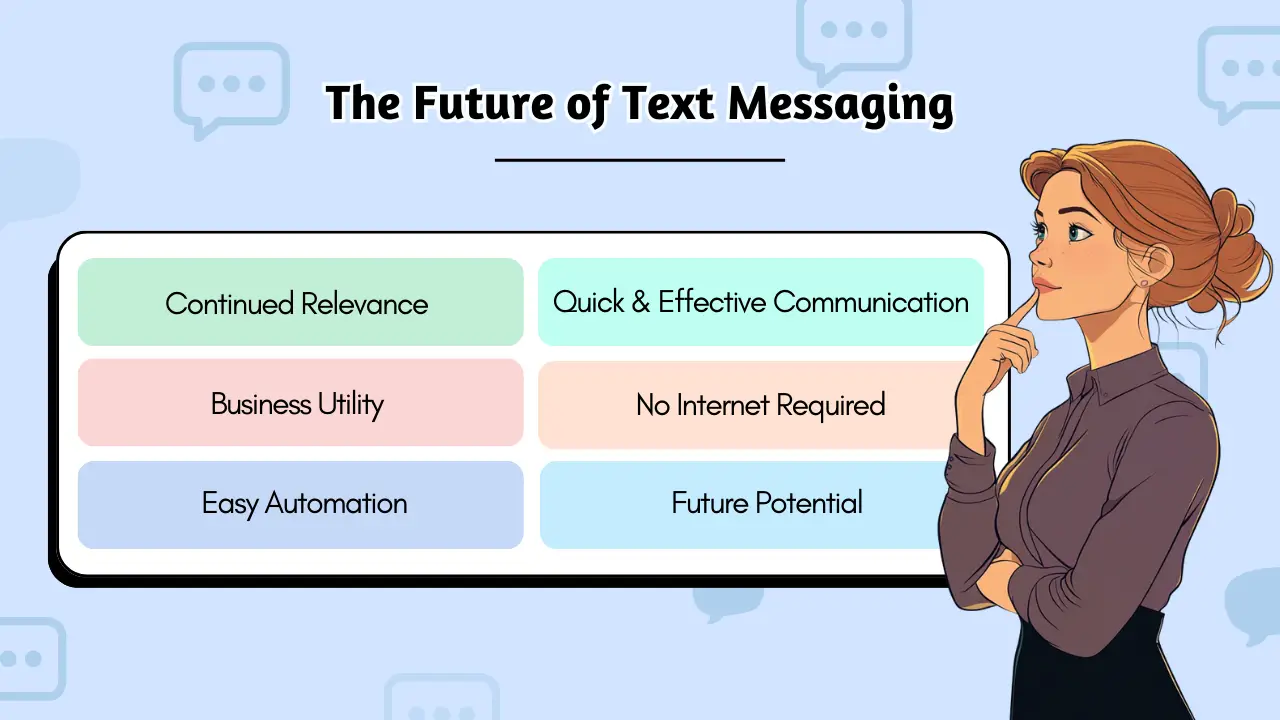
Text messaging has stayed relevant and continues to grow, even with the rise of fast Internet technologies like 4G and 5G. While these technologies make transferring large files easier, many people still value the simple, straightforward way text messages send quick bits of information. This makes texting a great tool that suits both personal and professional needs.
In business, text messaging has become a vital part of marketing strategies. Companies use it to keep customers updated on the products and services they care about. They send out reminders for meetings and share important work details directly through automated systems. The beauty of texting lies in its simplicity and adaptability. Messages can be sent without needing an Internet connection, making them accessible anywhere and anytime.
Text messages are easy to integrate into automated systems, allowing businesses to communicate effectively without much hassle. As long as people need swift and uncomplicated communication, text messaging will remain essential. So, let’s embrace its potential and consider starting our own text message marketing journey today!
Slutsats
When we explore SMS and text messaging, it is important to understand the differences and functions they hold in today’s world. SMS, which stands for Short Message Service, is a protocol used for exchanging short, simple messages over cellular networks. It’s a reliable means of communication due to its straightforward approach and availability across most mobile devices globally.
In contrast, the term “text messaging” is more general. It includes SMS but also refers to messages sent using internet-based messaging services. These services might support rich multimedia like images and videos, unlike SMS text message which is limited to text.
SMS vs. Text Messaging: Key Points
- Technology: SMS uses cellular networks, while text messaging can include internet-based apps.
- Content: SMS supports only text up to 160 characters; text messaging can handle multimedia.
- Cost: Traditional SMS may incur per-message charges, but many modern text messaging services use data or Wi-Fi, which might be more economical, depending on the user’s data plan.
Understanding these distinctions can help users choose the best communication method for their needs. For more in-depth comparisons of SMS and text messaging, explore the analysis offered by SMSLocal. Let’s make sure we’re using the right tools to communicate effectively!
At SMSLocal, we provide reliable and easy-to-use SMS solutions to help you connect with your audience. Start your text message marketing journey with us today
Frågor och svar
Yes, SMS (Short Message Service) and text messaging are often used interchangeably. SMS is the technical term for sending short text messages over a cellular network, while “text message” is a more general term that can refer to any type of written message sent between devices, including SMS and messages sent via internet-based apps.
SMS stands for Short Message Service, which is the protocol used for sending text messages between mobile phones over cellular networks. The term “text message” is often used to describe SMS, but it can also encompass other forms of messaging, including messages sent via apps like iMessage or WhatsApp, which don’t use the SMS protocol.
SMS (Short Message Service) is a system for sending short text messages, typically limited to 160 characters, over a cellular network. It is widely used for personal and business communication and works on almost all mobile phones.
The terms “text message” and “SMS message” are often used interchangeably, but “text message” is a broader term that can refer to any text-based communication. SMS specifically refers to messages sent over the cellular network with a 160-character limit, while text messages may also include those sent through internet-based services like iMessage or WhatsApp.
An SMS message refers to a short message sent using the Short Message Service protocol over a cellular network. It is a basic, text-only communication method used for personal, business, and marketing purposes.
When you see “SMS” on a text message, it typically indicates that the message was sent using the Short Message Service protocol. This is the traditional method of sending text messages between mobile phones, as opposed to messages sent through internet-based platforms like iMessage or WhatsApp.
On Android, SMS refers specifically to the traditional text messages sent via the cellular network, while other forms of messaging like WhatsApp or Facebook Messenger use internet data instead of cellular networks. SMS is a more basic, text-only form of communication, while messaging apps on Android can include multimedia features like images and videos.