
 English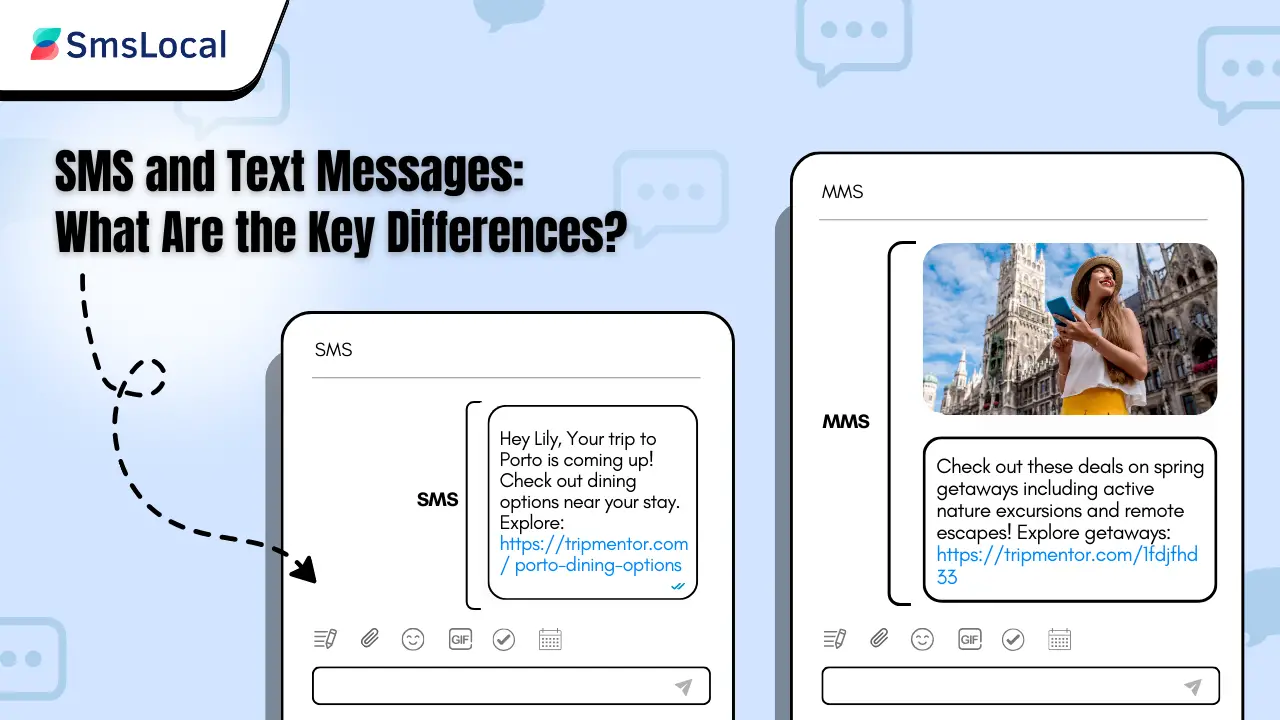
소개
귀하의 비즈니스는 SMS 메시지와 문자 메시지를 올바르게 사용하고 있습니까?
미국인의 97%가 휴대폰을 소유하고 있으며 85%가 스마트폰을 소유하고 있는 가운데 모바일 메시징은 청중에게 다가가는 가장 효과적인 방법 중 하나가 되었습니다. 그렇다면 SMS 문자 메시지란 무엇이며, 귀하의 커뮤니케이션 전략에 어떻게 적합할까요? SMS 및 다른 형태의 SMS와의 차이점 이해 문자 메시지 기업이 고객과 연결하기 위해 올바른 도구를 사용하고 있는지 확인하는 것이 중요합니다.
SMS 문자 메시지는 1990년대부터 디지털 커뮤니케이션의 주요 요소였으며 마케팅에서의 역할도 계속 커지고 있습니다. SMSLocal에서는 고객 참여에 있어 SMS의 힘을 알고 있으며, 귀하가 SMS의 잠재력을 극대화할 수 있도록 도와드리겠습니다. 주요 차이점과 SMS 의미가 현대 마케팅 전략에서 여전히 중요한 이유를 살펴보겠습니다.
빠른 정보 교환이 중요한 디지털 세계에서는 이러한 메시징 옵션을 이해하는 것이 필수적입니다. 하는 동안 SMS는 짧은 문자 메시지 전송에 중점을 둡니다., MMS는 이미지, 비디오와 같은 멀티미디어 콘텐츠를 수용합니다. 이러한 서비스를 차별화하면 간결한 텍스트 업데이트를 통해서든, 더욱 풍부한 미디어 경험을 통해서든 사용자가 다른 사람들과 소통하는 가장 좋은 방법을 결정하는 데 도움이 됩니다. 메시징 기술의 발전에 대한 우리의 친숙함은 우리가 그 이점을 잘 활용하고 활용할 수 있게 해줍니다.
주요 시사점
- SMS는 빠른 텍스트 기반 통신에 널리 사용됩니다.
- MMS를 사용하면 이미지 및 비디오와 같은 멀티미디어 콘텐츠를 보낼 수 있습니다.
- 메시징 서비스는 개인 및 마케팅 커뮤니케이션에 매우 중요합니다.
SMS 메시징이란 무엇입니까?
SMS(단문 메시지 서비스)는 문자 메시지 일반적으로 최대 160자의 간단한 문자 메시지 SMS를 교환할 수 있는 서비스입니다. 다양한 모바일 네트워크에서 작동하므로 개인이나 그룹에 간결한 메시지를 빠르고 편리하게 보낼 수 있습니다.
SMS는 일반적으로 개인적인 대화나 빠른 교환에 사용되지만 내부 및 외부 메시징 모두를 위한 기업의 주요 통신 도구가 되었습니다. 시간이 지남에 따라 SMS 문자 메시지는 모바일 통신의 필수 부분으로 발전하여 많은 사람들이 매일 의존하는 기능이 되었습니다.
SMS와 MMS의 의미
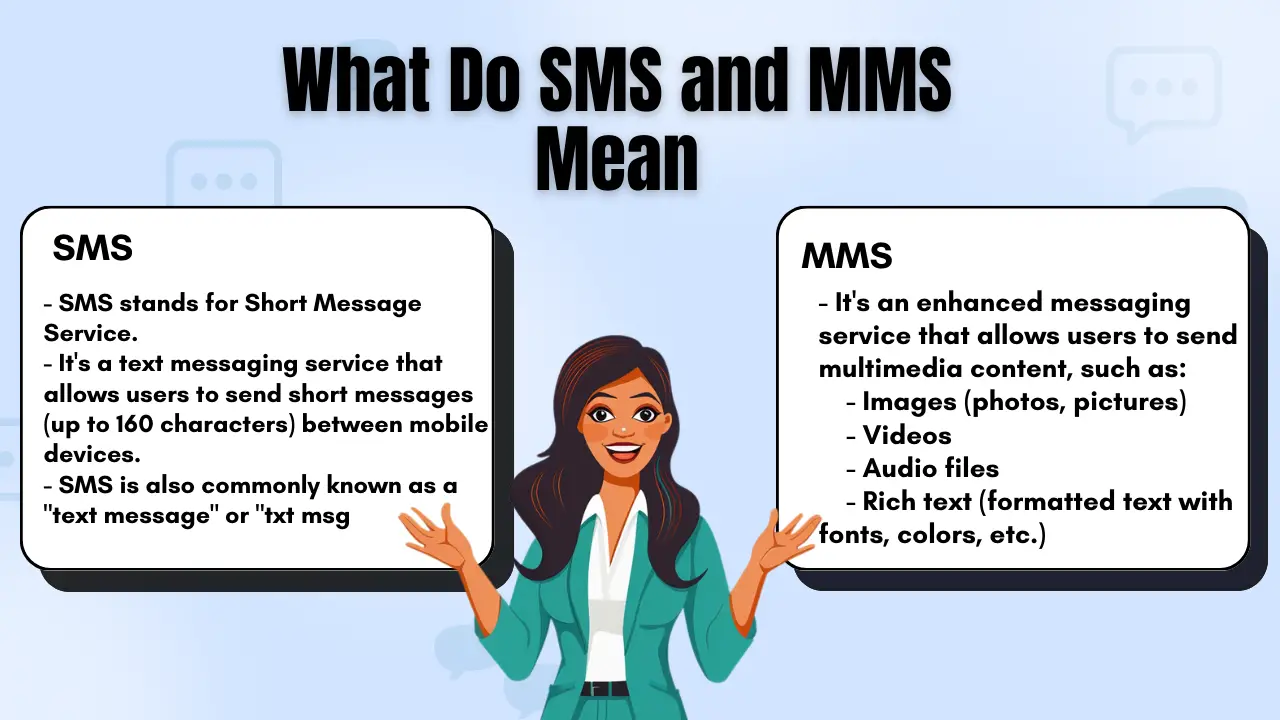
SMS(Short Message Service)는 문자 메시지 SMS를 보내는 표준입니다. 각 메시지의 길이는 공백을 포함하여 최대 160자입니다. 이 방법은 간단하고 빠르기 때문에 널리 사용됩니다.
멀티미디어 메시징 서비스(Multimedia Messaging Service)를 의미하는 MMS를 사용하면 단순한 문자 이상의 메시지를 보낼 수 있습니다. 일반 셀룰러 네트워크를 사용하여 이미지, 비디오 또는 오디오 클립을 공유할 수 있습니다. 스마트폰과 앱이 등장하기 전에는 MMS가 친구와 가족에게 사진을 보내는 데 널리 사용되었습니다. 이러한 서비스는 우리가 매일 연결을 유지하는 방법의 일부입니다.
간단한 비교는 다음과 같습니다.
| 특징 | SMS | MMS |
|---|---|---|
| 콘텐츠 유형 | 텍스트만 | 멀티미디어(이미지, 비디오, 오디오) |
| 글자 수 제한 | 160자 | 콘텐츠 크기에 대한 엄격한 제한이 없습니다. |
| 용법 | 빠른 메시지 | 미디어 공유 |
메시지는 몇 자까지 보낼 수 있나요?
SMS라고도 하는 문자 메시지는 순전히 텍스트 기반이며 메시지당 160자로 제한되는 경우가 많습니다. 이 한도를 초과하면 메시지가 여러 부분으로 분할될 수 있습니다. 문자 메시지 SMS는 총 918자까지 최대 6개 부분으로 분할할 수 있습니다.
일부 서비스에서는 긴 문자를 MMS라는 그림 메시지로 변환할 수 있으며, 이는 이동통신사에 따라 더 비쌀 수 있다는 점을 기억하는 것이 중요합니다. 그러나 smslocal과 같은 특정 플랫폼은 긴 텍스트의 경우에도 MMS로 전환하지 않습니다.
SMS와 문자 메시지의 차이점
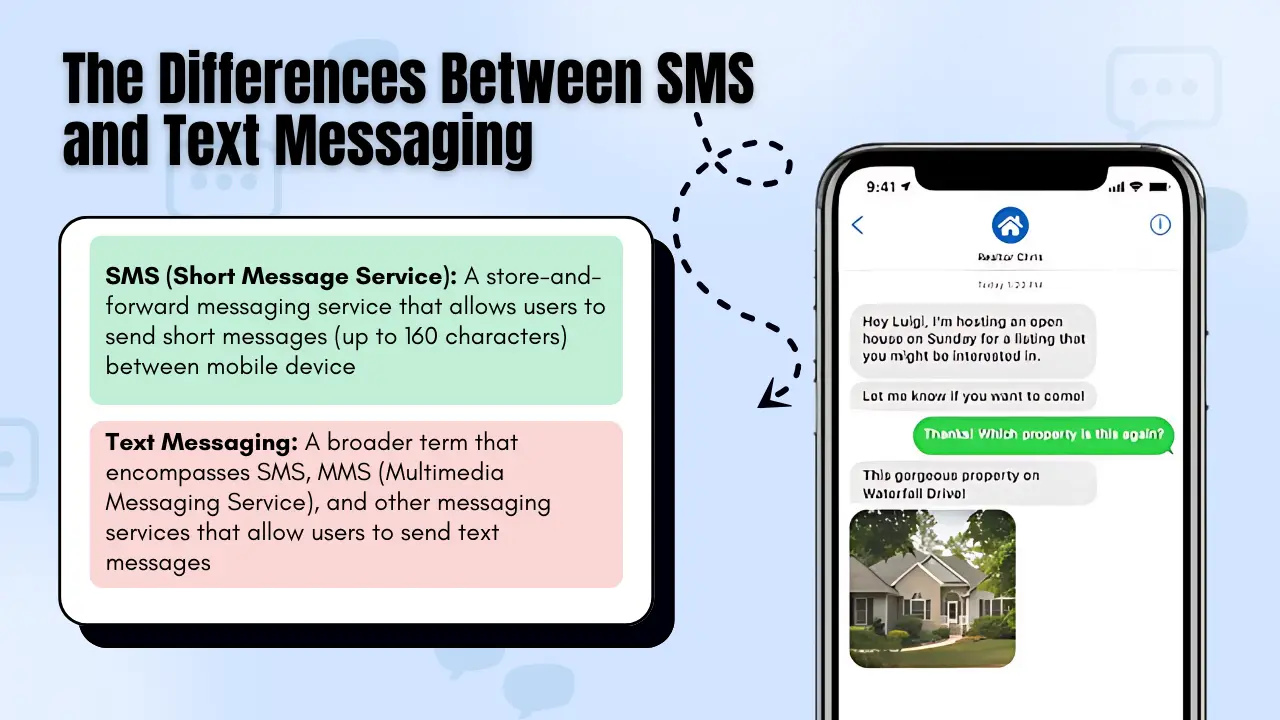
휴대폰을 통해 메시지를 보내는 것에 대해 이야기할 때 우리는 종종 "SMS"와 "문자 메시지"라는 용어를 같은 의미로 사용합니다. SMS(Short Message Service)는 160자로 제한되고 멀티미디어 콘텐츠를 포함하지 않는 특정 유형의 문자 메시지를 의미합니다. 휴대폰 초기에는 "SMS"가 널리 사용되는 용어였으며 사람들은 심지어 누군가에게 "SMS를 보내고 있다"고 말할 정도였습니다.
오늘날 우리는 일반적으로 이러한 메시지에 대해 "텍스트"라는 용어를 사용합니다. 문자에는 SMS 메시지와 사용자가 사진, 비디오 및 사운드를 보낼 수 있는 MMS(멀티미디어 메시징 서비스)와 같은 고급 형식이 모두 포함될 수 있습니다. 서로 다른 명명 규칙에도 불구하고 일상 언어에서는 SMS 및 문자 메시지는 종종 다음과 같은 의미로 이해됩니다. 같은 것.
유럽 대륙의 일부 지역에서는 사람들이 여전히 이러한 메시지를 "SMS" 전송이라고 부를 수 있습니다. 한편, 미국과 같은 영어권 지역에서는 원래 SMS 문자 메시지의 의미를 설명하기 위해 "문자 메시지"만으로 충분합니다. 이 언어의 발전은 오늘날 모바일 메시징을 사용하는 방식의 광범위한 변화를 반영합니다.
SMS 메시지의 예
SMS 메시지는 중요한 정보를 빠르고 효율적으로 전달하는 강력한 도구입니다. 기업, 조직 또는 개인인지 여부에 관계없이 SMS는 알림 및 업데이트부터 마케팅 및 긴급 알림에 이르기까지 다양한 목적으로 사용될 수 있습니다. SMS 메시지를 효과적으로 사용할 수 있는 몇 가지 실용적인 방법은 다음과 같습니다.
- 약속 알림SMS reminders are a great way to ensure that customers don’t forget their scheduled appointments. A well-crafted message should include the date, time, and location of the appointment, along with any additional instructions or items to bring.
- Customer Support UpdatesWhen customers reach out to your support team, they expect timely responses. SMS messages can be used to acknowledge receipt of their request and keep them informed about the status of their inquiry or issue. These messages can provide peace of mind and help manage expectations.
- Marketing PromotionsSMS messages is an excellent channel for reaching potential customers with special offers or promotional campaigns. These messages should contain a clear call-to-action, highlight the key details of the offer, and outline any important terms or conditions. By sending relevant, timely messages, you can drive engagement and sales.
- Emergency NotificationsIn emergency situations, SMS meaning is an effective way to send urgent alerts to the community. These messages should provide clear, concise instructions on how to stay safe, what actions to take, and where to find additional resources if needed.
Key Differences Between MMS and SMS
SMS, or Short Message Service, is a type of messaging that focuses on sending brief text messages. This type of message is usually no longer than 160 characters. When it first came out, SMS was widely recognized, both as a noun and a verb. We remember when people would say they were “SMSing” a contact. Although initially intended to distinguish it from other electronic messaging types like email, today people generally refer to these messages as simply “texts.”
MMS, or Multimedia Messaging Service, allows us to send messages that include images, videos, and other media. Unlike SMS, MMS can handle larger amounts of data, giving us more room to convey richer content beyond basic text.
| 특징 | SMS | MMS |
|---|---|---|
| 글자 수 제한 | Up to 160 characters | No strict limit (depends on carrier) |
| Media Support | 텍스트만 | Supports images, videos, audio |
In everyday language, SMS has become synonymous with text messages in many English-speaking places, even though technically, MMS extends the possibilities with multimedia content. While we may use “text” informally, knowing the difference is useful for understanding how different messages are transmitted and received.
당신은 또한 다음 사항을 알고 있을 수도 있습니다:
SMS vs MMS text messages: Meaning & Differences
안정적이고 빠르고 효과적인 커뮤니케이션을 통해 메시지를 돋보이게 만드세요. 오늘 문자 메시지 게임을 한 단계 더 발전시켜 보세요!
More People Than Ever Use This Technology
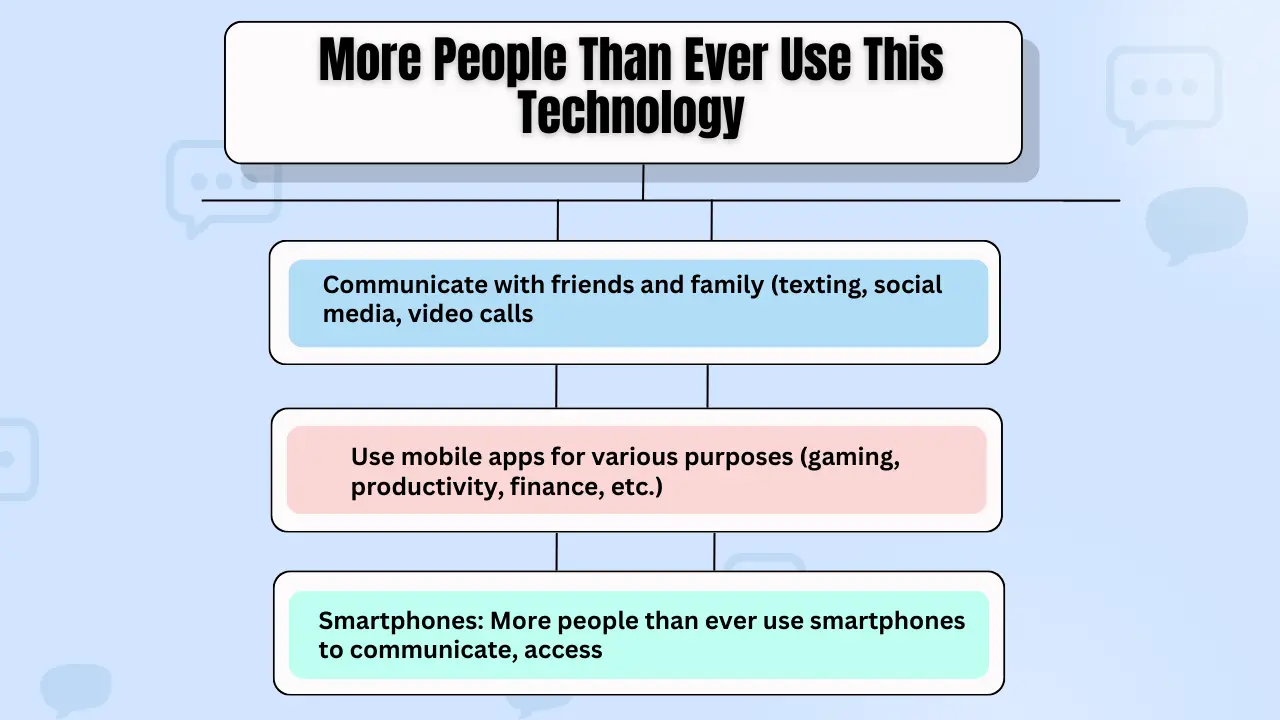
With the rise of smartphones, texting has become an indispensable part of everyday life. Even as social media and messaging apps gain popularity, SMS messages remains a leading form of communication, offering convenience, reliability, and wide accessibility. This trend is not just a passing phase—text messaging continues to dominate due to its ease of use and high engagement rates.
High Cell Phone Ownership: 83% of American adults own a cell phone, showcasing the widespread adoption of mobile technology.
Daily Texting Usage: Nearly 75% of cell phone users text daily, highlighting how integral SMS communication has become.
Average Text Volume: On average, users send and receive about 41.5 text messages per day, illustrating the frequency of texting.
Text Messaging Dominance: Despite the rise of 소셜 미디어 and messaging apps, texting remains one of the most popular and reliable forms of communication.
Support from Cellular Networks: Cellular networks continue to efficiently handle the high volume of text messages, ensuring consistent communication.
Enduring Importance of Texting: Text messaging remains a key way to stay connected, much like it did with earlier mobile phones, making it essential for businesses and personal communication alike.
Leading Approach for Marketing with Customers
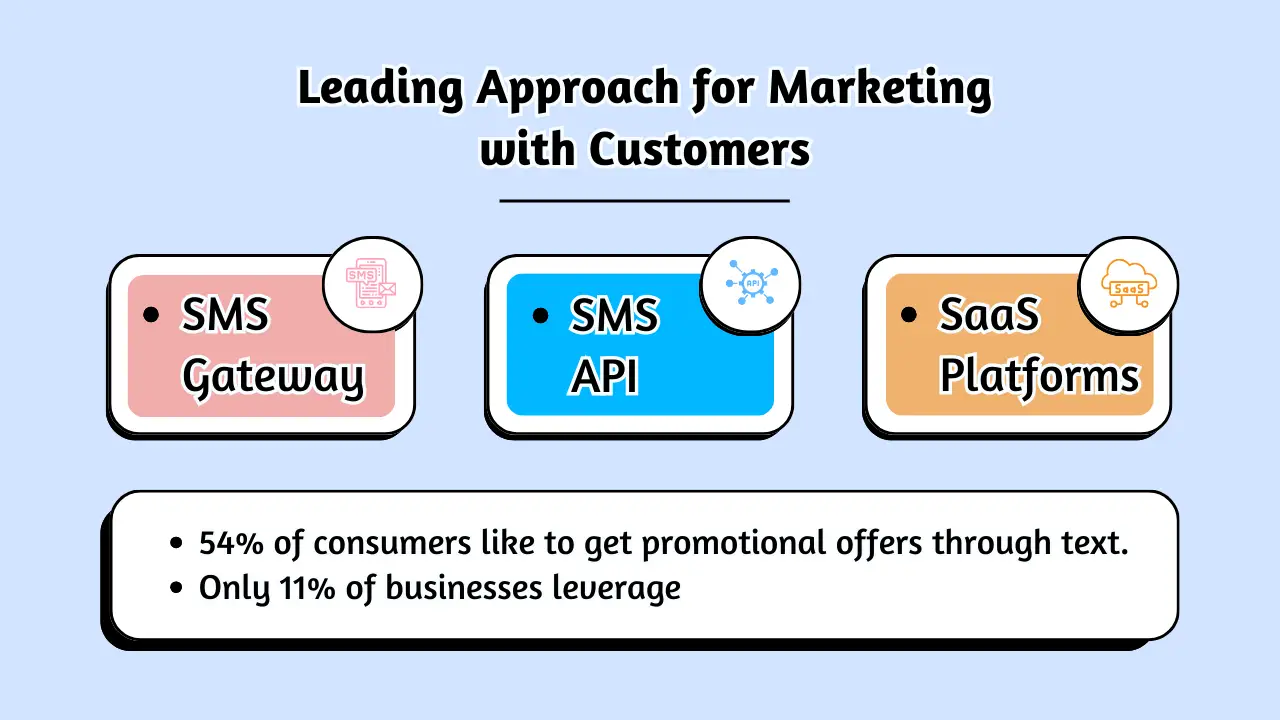
Text messaging has emerged as a leading method for reaching out to customers. The brevity of SMS messages plays a crucial role in their popularity. Customers prefer brief and direct communication, making SMS an ideal channel.
Trust in text messaging is remarkably high. Many customers view SMS as a secure communication method due to its low spam incidence. While emails have a spam rate of 53%, SMS messages exhibit a significantly lower rate of 2.8%. This helps foster confidence among consumers when they receive messages via text.
Preference for SMS
- 54% of consumers like to get promotional offers through text.
- Only 11% of businesses leverage this powerful tool.
| Statistic | Insight |
|---|---|
| 84% of consumers | Have received an SMS from a business, showing just how widely adopted SMS communication has become. |
| 82% of people | Open every text message they receive, significantly higher than the average email open rate of 22.71%. |
| Consumers aged 60+ | Check their phones at least 3 times per hour, proving that texting isn’t just for younger audiences. |
| 70% of consumers | Prefer SMS marketing as a way for businesses to grab their attention. |
| 83% of consumers | Want to receive appointment reminders via text. |
| 66% of consumers | Want to receive service reminders via text. |
| 54% of consumers | Prefer receiving promotions through SMS messages. |
| 60% of consumers | Want to be able to respond to business SMS messages, making text interactions more dynamic. |
The historical effectiveness of text messaging contributes to its popularity. Messages are not just quick but also feel personal and intimate. Texts reach us on our phones and don’t require opening an app or email client. Still, email remains indispensable in professional settings, supported by DMARC rules.
Many of us keep our phones close, increasing the likelihood of immediate interaction. SMS marketing continues to provide an excellent way for businesses to connect with their audience promptly. By tapping into the personal nature of text messaging, companies can create impactful engagements with their customers.
Texting Tools for Your Business
To set up SMS messages, you have several options:
- SMS Gateway: Services like Twilio, Clickatell, and Nexmo provide two-way communication, allowing you to send bulk messages and receive replies. These platforms are ideal for businesses looking to reach large audiences quickly and manage responses effectively.
- SMS API: APIs such as MessageBird, Plivo, and Sinch enable seamless integration of text messaging capabilities directly into your existing software applications. This option offers flexibility and control, allowing you to automate messages and streamline customer interactions within your current system.
- SaaS Platforms: Platforms like Textlocal, Trumpia, and Zang offer user-friendly interfaces with a variety of tools to design campaigns, manage contacts, and analyze results. These solutions are perfect for businesses seeking a comprehensive, easy-to-use platform to handle their text message marketing needs.
People Prefer Texts Over Phone Calls
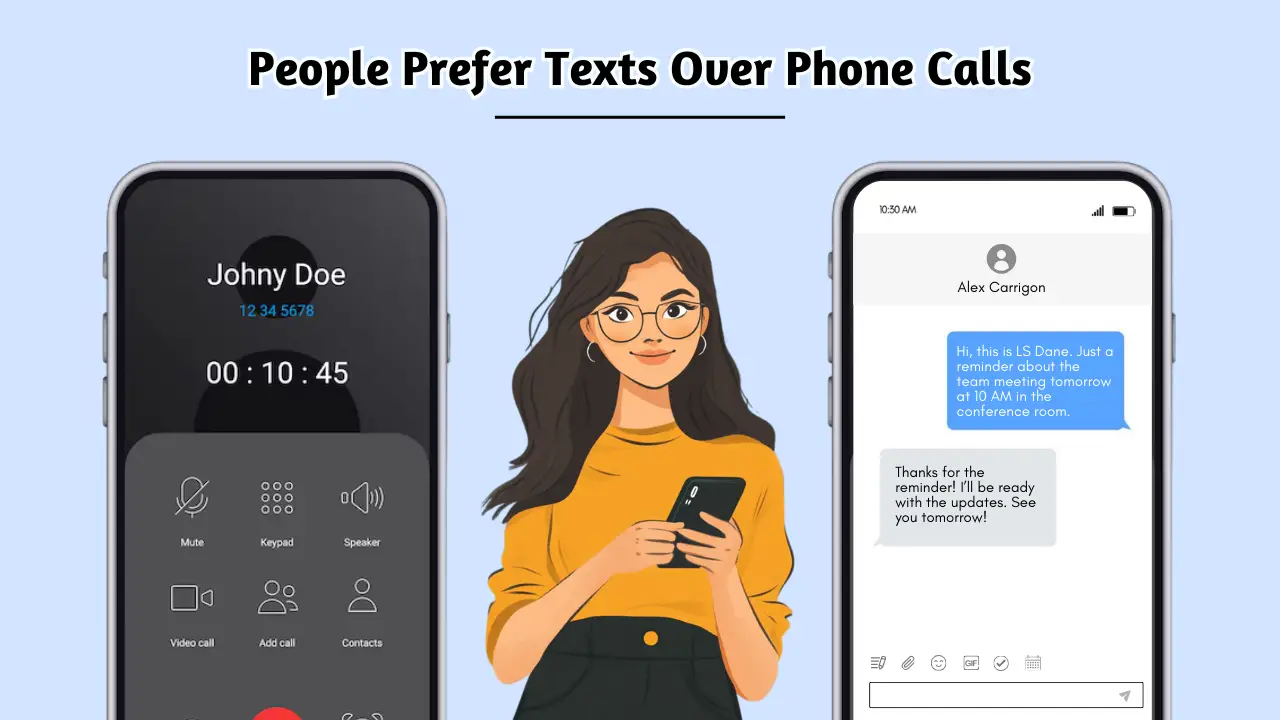
In our observations, texting has become the go-to means of communication, especially among younger generations. A significant percentage of millennials use ss extensively each day. This is likely tied to the fact that many of us grew up with this technology, making texting feel effortless and convenient.Texting offers:
- Quick and Efficient: Texting allows for fast exchanges without long conversations, making it ideal for brief updates or simple queries.
- Less Interruptive: Unlike phone calls, texts don’t demand immediate attention, allowing people to respond when it’s convenient for them.
- Flexible Response Time: Texting offers the freedom to reply at one’s own pace, making it less stressful than phone calls.
- Generational Shift: Millennials and Gen Z, who grew up with texting, find it effortless and convenient. Even those who didn’t have texting early on have adopted it.
- Global Trend: Texting has become a global communication preference, with early adoption seen in countries like Japan.
- Evolving Communication Habits: The shift from phone calls to texting highlights how technology has reshaped communication, making texting a more efficient and preferred option.
Even those who didn’t have texting in their youth have embraced it. We’ve noticed a shift towards messaging in various parts of the world, with early cases seen in places like Japan. As a result, texting is not just a trend but a clear preference over phone conversations. This change is clear evidence of how communication habits have evolved with technological advancements.
The Future of Text Messaging
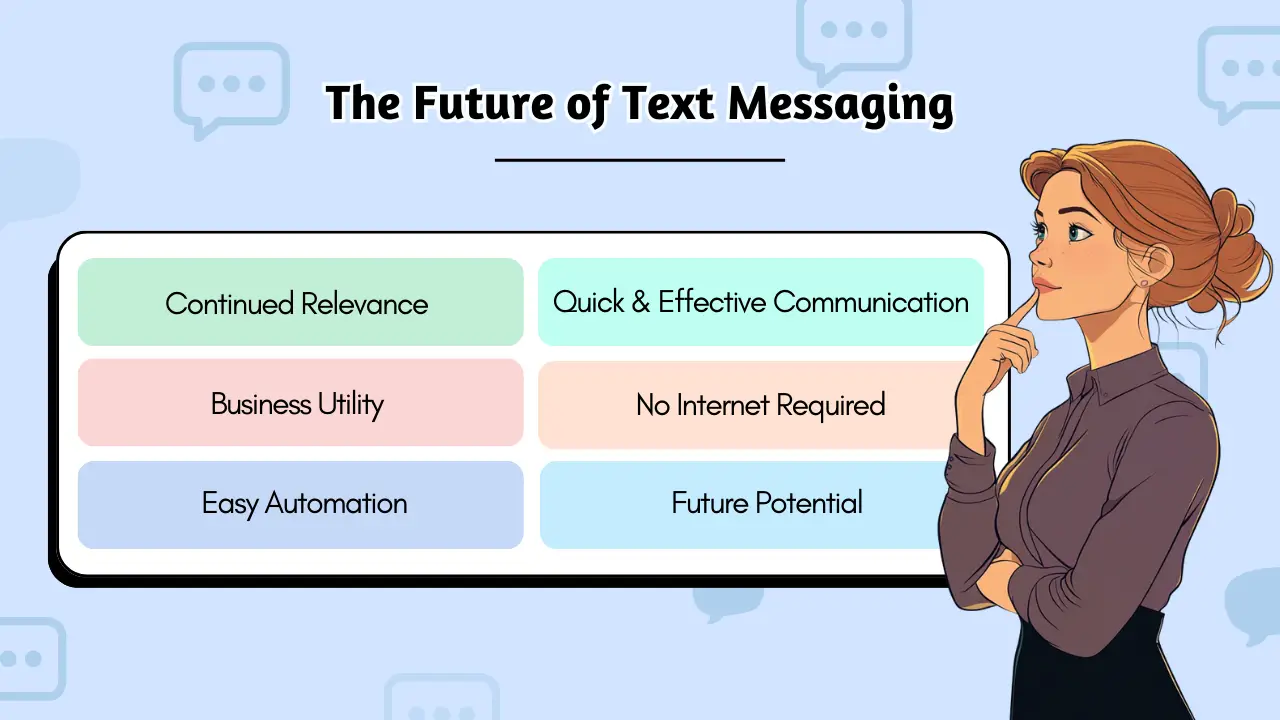
Text messaging has stayed relevant and continues to grow, even with the rise of fast Internet technologies like 4G and 5G. While these technologies make transferring large files easier, many people still value the simple, straightforward way text messages send quick bits of information. This makes texting a great tool that suits both personal and professional needs.
In business, text messaging has become a vital part of marketing strategies. Companies use it to keep customers updated on the products and services they care about. They send out reminders for meetings and share important work details directly through automated systems. The beauty of texting lies in its simplicity and adaptability. Messages can be sent without needing an Internet connection, making them accessible anywhere and anytime.
Text messages are easy to integrate into automated systems, allowing businesses to communicate effectively without much hassle. As long as people need swift and uncomplicated communication, text messaging will remain essential. So, let’s embrace its potential and consider starting our own text message marketing journey today!
결론
When we explore SMS and text messaging, it is important to understand the differences and functions they hold in today’s world. SMS, which stands for Short Message Service, is a protocol used for exchanging short, simple messages over cellular networks. It’s a reliable means of communication due to its straightforward approach and availability across most mobile devices globally.
In contrast, the term “text messaging” is more general. It includes SMS but also refers to messages sent using internet-based messaging services. These services might support rich multimedia like images and videos, unlike SMS text message which is limited to text.
SMS vs. Text Messaging: Key Points
- Technology: SMS uses cellular networks, while text messaging can include internet-based apps.
- Content: SMS supports only text up to 160 characters; text messaging can handle multimedia.
- Cost: Traditional SMS may incur per-message charges, but many modern text messaging services use data or Wi-Fi, which might be more economical, depending on the user’s data plan.
Understanding these distinctions can help users choose the best communication method for their needs. For more in-depth comparisons of SMS and text messaging, explore the analysis offered by SMSLocal. Let’s make sure we’re using the right tools to communicate effectively!
At SMSLocal, we provide reliable and easy-to-use SMS solutions to help you connect with your audience. Start your text message marketing journey with us today
자주 묻는 질문
Yes, SMS (Short Message Service) and text messaging are often used interchangeably. SMS is the technical term for sending short text messages over a cellular network, while “text message” is a more general term that can refer to any type of written message sent between devices, including SMS and messages sent via internet-based apps.
SMS stands for Short Message Service, which is the protocol used for sending text messages between mobile phones over cellular networks. The term “text message” is often used to describe SMS, but it can also encompass other forms of messaging, including messages sent via apps like iMessage or WhatsApp, which don’t use the SMS protocol.
SMS (Short Message Service) is a system for sending short text messages, typically limited to 160 characters, over a cellular network. It is widely used for personal and business communication and works on almost all mobile phones.
The terms “text message” and “SMS message” are often used interchangeably, but “text message” is a broader term that can refer to any text-based communication. SMS specifically refers to messages sent over the cellular network with a 160-character limit, while text messages may also include those sent through internet-based services like iMessage or WhatsApp.
An SMS message refers to a short message sent using the Short Message Service protocol over a cellular network. It is a basic, text-only communication method used for personal, business, and marketing purposes.
When you see “SMS” on a text message, it typically indicates that the message was sent using the Short Message Service protocol. This is the traditional method of sending text messages between mobile phones, as opposed to messages sent through internet-based platforms like iMessage or WhatsApp.
On Android, SMS refers specifically to the traditional text messages sent via the cellular network, while other forms of messaging like WhatsApp or Facebook Messenger use internet data instead of cellular networks. SMS is a more basic, text-only form of communication, while messaging apps on Android can include multimedia features like images and videos.