 English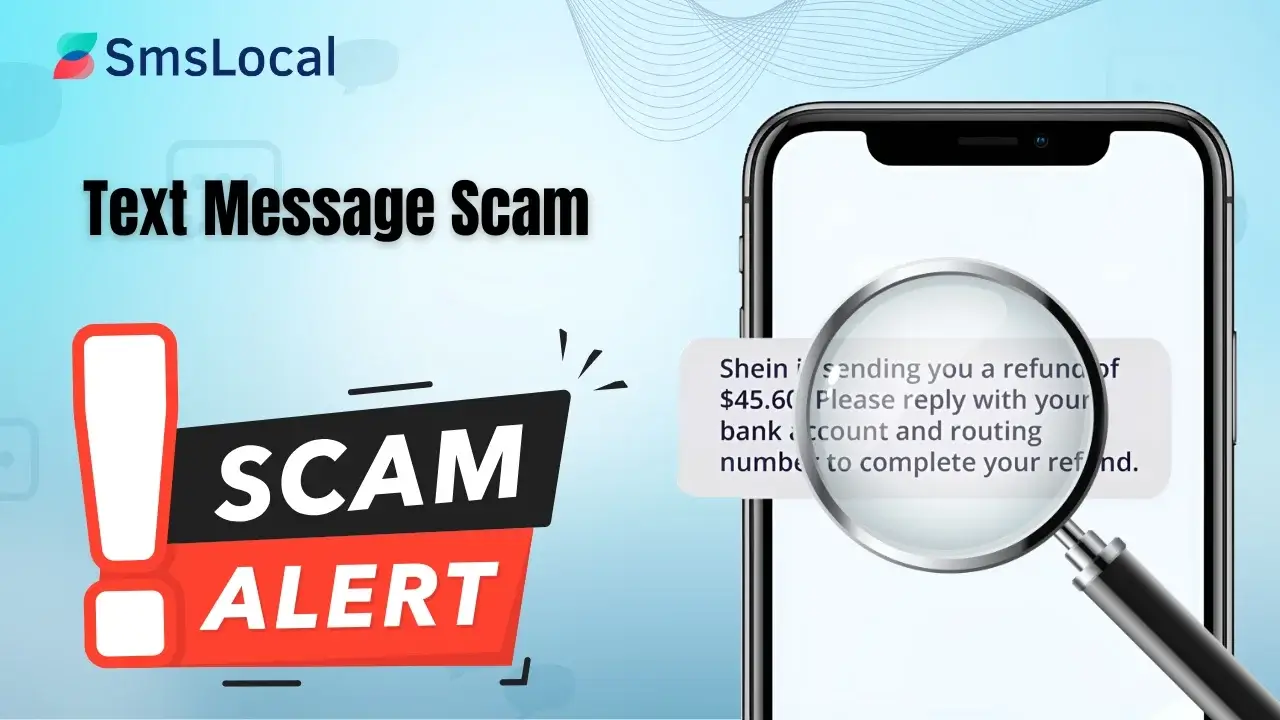
Wstęp
Smartfony odgrywają dziś dużą rolę w naszym życiu, ale niosą ze sobą ryzyko oszustw i oszustw związanych z wiadomościami tekstowymi. Czy kiedykolwiek otrzymałeś SMS-a, który wydawał się zbyt piękny, aby mógł być prawdziwy? Wiedza, jak rozpoznać fałszywą wiadomość tekstową, może uchronić Cię przed oszustwami i zapewnić bezpieczeństwo Twoich danych.
W miarę wzrostu liczby oszustw SMS-owych kluczową kwestią jest nauczenie się rozpoznawania fałszywych SMS-ów. Zwróć uwagę na błędy ortograficzne, złą gramatykę i oferty, o które nie prosiłeś. Znajomość tych znaków może pomóc Ci uchronić się przed oszustwami tekstowymi.
Powody, dla których otrzymujemy spamowe wiadomości tekstowe
Spam wiadomości tekstowe, zwane także „smishingiem”, dla wielu stanowią duży problem. Celem tych niechcianych wiadomości jest kradzież pieniędzy i danych osobowych oraz rozprzestrzenianie złośliwego oprogramowania. Ważne jest, aby wiedzieć, dlaczego tak się dzieje, że nas chronią.
Oszuści wyślij te SMS-y do zarabiania pieniędzy lub kradzieży tożsamości. Próbują uzyskać informacje osobiste lub finansowe, aby wykorzystać je dla własnych korzyści. Niektóre SMS-y mogą również instalować złośliwe oprogramowanie, dając oszustom dostęp do naszych urządzeń.
Oszuści uzyskują numery telefonów w wyniku naruszeń danych, list zakupów lub generatorów losowych. Używają narzędzi do wysyłania wielu SMS-ów na raz. Dzięki temu rozprzestrzenianie spamu staje się dla nich łatwe i opłacalne.
Wiedza o tym, dlaczego istnieją SMS-y będące spamem, pomaga nam walczyć. Wykrywając taktykę oszustwa, możemy uniknąć stania się ofiarą. W ten sposób chronimy się przed szkodami, jakie mogą wyrządzić te wiadomości.
Jak rozpoznać fałszywą wiadomość tekstową: 5 wskazówek
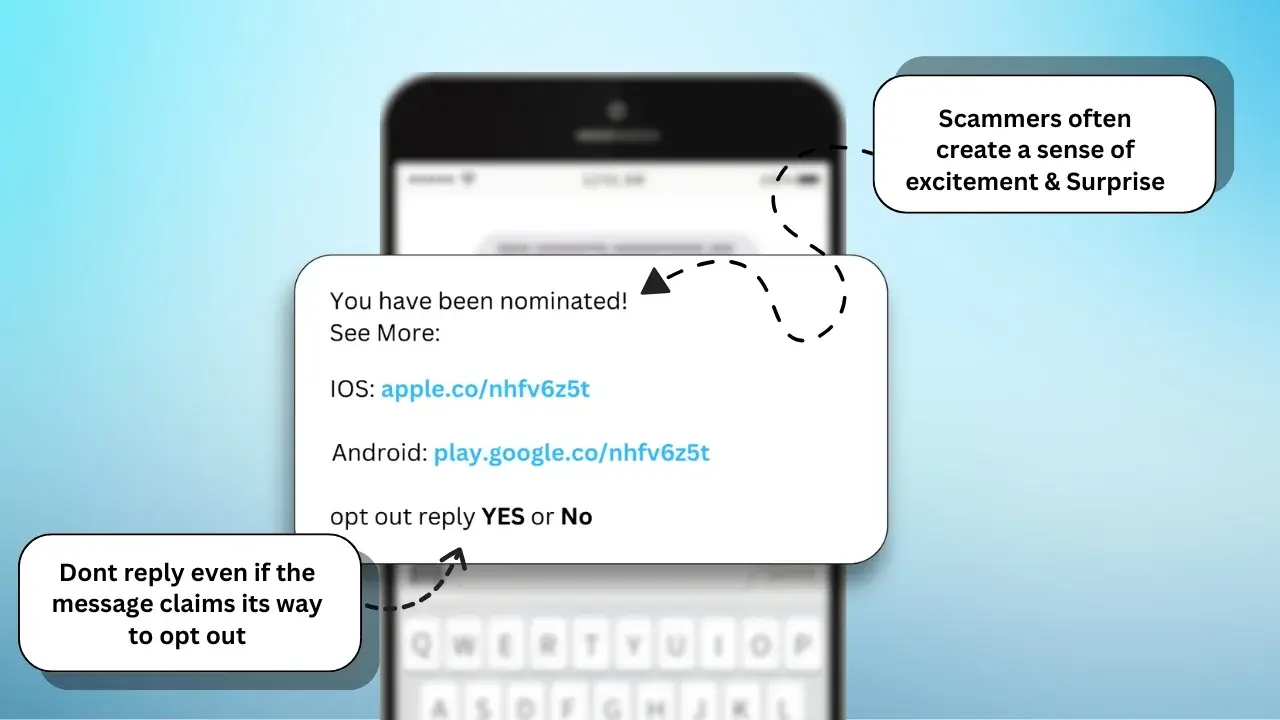
Z wiadomość tekstowa oszustwa stają się coraz bardziej wyrafinowane, ważne jest, aby wiedzieć, jak je wykryć, zanim wyrządzą jakąkolwiek krzywdę. Oto Twój kompleksowy opis przewodnik po rozpoznawaniu podejrzanego tekstu wiadomości i chroń się przed oszustami.
1. Nieistotny kontekst wiadomości
Uważaj na przypadkowe wiadomości, których otrzymywanie nie ma sensu. Na przykład:
- „Twoja recepta jest gotowa do odbioru w Walgreens.” (Kiedy nie korzystasz z Walgreens)
- „Twoja paczka DHL czeka na dostawę.” (Kiedy niczego nie zamówiłeś)
Jeśli nie spodziewałeś się tej wiadomości, zachowaj szczególną ostrożność.
2. Wiadomość zawiera błędy ortograficzne lub słabą gramatykę
Profesjonalne firmy mają korektorów i kontrolę jakości. Uważaj na wiadomości takie jak:
- "GRATULUJEMY! Wygrałeś niesamowitą nagrodę od Amaz0n! Odbierz nagrodę już teraz!"
- „Szanowny Kliencie, Twoje konto wymaga natychmiastowej uwagi.”
Błędy te często sygnalizują próby oszustwa.
3. Nienormalnie długie liczby
Legalne firmy zazwyczaj korzystają z:
- Krótkie kody 5-6 cyfrowe (np. 456789)
- Standardowe 10-cyfrowe numery telefonów (np. 555-123-4567)
- Numery bezpłatne (np. 1-800-123-4567)
Bądź podejrzliwy w stosunku do wiadomości z numerów takich jak:
- „Wiadomość od: +447829304756129”
- „Powiadomienie z: 13374659284651”
4. Ton wiadomości jest pilny lub wymaga odpowiedzi
Oszuści tworzą fałszywą pilność. Uważaj na wiadomości typu:
- „PILNE: Twoje konto Netflix zostanie trwale usunięte w ciągu 2 GODZIN, jeśli nie zostanie zweryfikowane!”
- „WYMAGANE NATYCHMIASTOWE DZIAŁANIE: Odpowiedz TAK w ciągu 30 minut, aby zapobiec zamknięciu konta!”
Legalne firmy nie narzucają Ci ekstremalnych terminów.
5. Tekst oferuje fałszywy zwrot pieniędzy
Uważaj na niechciane oferty zwrotu pieniędzy:
- „ALERT DOCELOWY ZWROTU: Nastąpiło nadmierne obciążenie w wysokości 49,99 USD. Złóż wniosek o zwrot pieniędzy tutaj: [http://target-refund-center.com.scam/claim]”
- "IRS: Kwalifikujesz się do zwrotu podatku w wysokości 1200 USD. Przeprowadź proces teraz: [http://irs-tax-refund.info.ru/claim]"
Bądź chroniony: skrócony przewodnik
Czerwone flagi, na które warto zwrócić uwagę:
- Nieoczekiwane wiadomości z usług, z których nie korzystasz
- Słabe błędy gramatyczne i ortograficzne
- Nietypowe numery telefonów lub linki
- Pilne żądania działania
- Prośby o podanie danych osobowych lub finansowych
- Obietnice nieoczekiwanych pieniędzy lub nagród
Co zrobić:
- Nigdy nie klikaj podejrzanych linków
- Nie odbieraj nieznanych numerów
- Blokuj i zgłaszaj numery będące spamem
- Sprawdź niezależnie za pośrednictwem oficjalnych kanałów
- Przekaż podejrzane teksty na 7726 (SPAM)
Pamiętaj: legalne firmy, w tym te oferujące narzędzia techniczne takie jak Generator SPF, nigdy nie będzie wywierać na Ciebie presji, abyś natychmiast zareagował lub udostępnił poufne informacje SMS-em. W razie wątpliwości skontaktuj się bezpośrednio z firmą, korzystając z jej oficjalnej strony internetowej lub numeru telefonu.
7 przykładów fałszywych wiadomości tekstowych pozwalających zidentyfikować spam
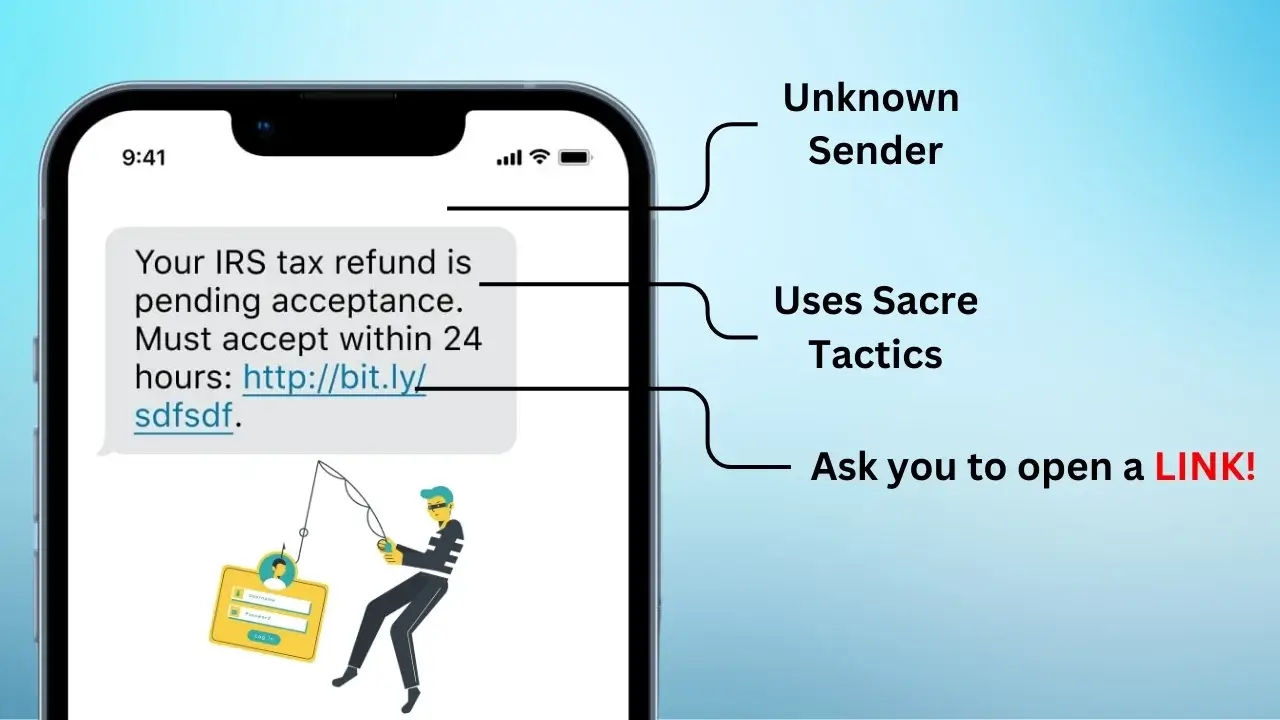
Wszyscy je rozumiemy – te podejrzane wiadomości tekstowe to wydaje się zbyt piękne, aby mogło być prawdziwe. Ponieważ oszuści stają się coraz bardziej kreatywni, ważne jest, aby wiedzieć, jak wyglądają te zwodnicze wiadomości. Oto zestawienie większości wspólny tekst oszustwa związane z wiadomościami, które możesz napotkać.
Pozdrowienia Gratulacje, wygrałeś!
Wyobraź sobie taką sytuację: Twój telefon wibruje i widzisz wiadomość informującą, że wygrałeś nowiutki samochód lub 50 000 dolarów w gotówce. Choć może się to wydawać ekscytujące, te „zwycięskie” powiadomienia to klasyczne próby oszustwa. Często mówią coś w stylu:
„GRATULUJEMY! Jesteś naszym szczęśliwym zwycięzcą! Wygrałeś nowy model Tesli 3. Kliknij tutaj, aby odebrać nagrodę w ciągu 24 godzin! [http://free-prize-claim-2024.xyz/claim-tesla]”
Pamiętaj: jeśli nie wziąłeś udziału w konkursie, nie możesz go wygrać.
Zaktualizuj lub zweryfikuj swoje konto
Wiadomości te często wydają się pochodzić od legalnych banków lub instytucji finansowych. Mogą powiedzieć:
"ALERT: Wykryto nietypową aktywność na Twoim koncie Chase. Zweryfikuj swoją tożsamość teraz, aby zapobiec zawieszeniu konta: [http://chase-secure-verify.co.scam/login]"
Prawdziwe banki nigdy nie poproszą Cię o weryfikację poufnych informacji za pomocą wiadomości tekstowych lub podejrzanych linków.
Zaoferuj wsparcie członkowi rodziny lub przyjacielowi
Jest to jedno z najbardziej rozdzierających serce oszustw, ponieważ działa na Twoje emocje. Wiadomość może brzmieć:
"Cześć mamo, mam kłopoty. Zgubiłem telefon i korzystam z telefonu znajomego. Potrzebuję 2000 dolarów na rachunki za opiekę medyczną w nagłych wypadkach. Proszę o przesłanie na adres: [http://quick-money-transfer.info/emergency]"
Wskazówka dla profesjonalistów: zawsze weryfikuj te prośby, dzwoniąc pod prawdziwy numer członka rodziny.
Uwierzytelnianie dwuskładnikowe
Oszuści sprytnie wykorzystali kody uwierzytelniające. Mogą wysłać:
"Twój Apple ID został użyty do zalogowania się na nowym urządzeniu. Jeśli to nie byłeś Ty, potwierdź swoją tożsamość tutaj: [http://apple-id-verify-login.net.ru/secure]"
Nigdy nie udostępniaj swoich kodów uwierzytelniających – legalne firmy nie będą o nie prosić SMS-em.
Oszustwo związane ze zwrotem pieniędzy
Te oszustwa próbują Cię zwabić obietnicami należnych Ci pieniędzy:
"POWIADOMIENIE WALMART: Przy ostatnim zakupie dokonano nadmiernej opłaty w wysokości 67,99 USD. Kliknij tutaj, aby ubiegać się o zwrot pieniędzy: [http://walmart-refund-center.com.scam/claim]"
Legalni sprzedawcy detaliczni mają oficjalne kanały zwrotu pieniędzy, które nie wymagają wiadomości tekstowych.
Oszustwo reaktywacyjne
Uważaj na wiadomości informujące, że Twoje konta wymagają ponownej aktywacji:
„Netflix: Twoje konto zostało zawieszone z powodu nieudanej płatności. Aktywuj ponownie teraz, aby kontynuować transmisję: [http://netflix-account-reactivate.info.cc/pay]”
Te komunikaty powodują fałszywą potrzebę nakłonienia Cię do kliknięcia bez zastanowienia.
Dostawa paczki
Ponieważ zakupy online są tak powszechne, oszuści często podają się za usługi dostawy:
"Powiadomienie USPS: Twoja paczka jest przechowywana w naszej placówce. Zapłać opłatę celną w wysokości 2,99 USD za wydanie: [http://usps-tracking-delivery.net.cn/fee]"
Prawdziwe firmy kurierskie zostawią fizyczne powiadomienie lub skontaktują się z Tobą oficjalnymi kanałami.
Bądź chroniony
Uważaj na te czerwone flagi w podejrzanych linkach:
- Nietypowe rozszerzenia domen (.xyz, .info, .co, .ru, .cn)
- Błędnie napisane nazwy firm
- Dodano łączniki lub cyfry w nazwach domen
- Wiele kropek w domenie (example.com.scam)
- Adresy URL łączące wiele nazw firm
- Domeny kończące się dziwnymi kombinacjami (.net.ru, .info.cc)
Pamiętaj: lepsze jest poświęcenie chwili na weryfikację podejrzanej wiadomości niż padnięcie ofiarą oszustwa. Zaufaj swojemu instynktowi – jeśli coś jest nie tak, prawdopodobnie tak jest.
Dodatkowe wskazówki dotyczące bezpieczeństwa:
- Nigdy nie klikaj linków z nieznanych numerów
- Bądź sceptyczny w stosunku do pilnych próśb o pieniądze lub informacje
- Skontaktuj się z firmami bezpośrednio za pośrednictwem ich oficjalnych stron internetowych
- W razie wątpliwości usuń wiadomość
- Zgłoś podejrzane SMS-y swojemu operatorowi, przesyłając je na numer 7726 (SPAM)
Jak zgłosić i zatrzymać oszustwo związane z wiadomościami tekstowymi?
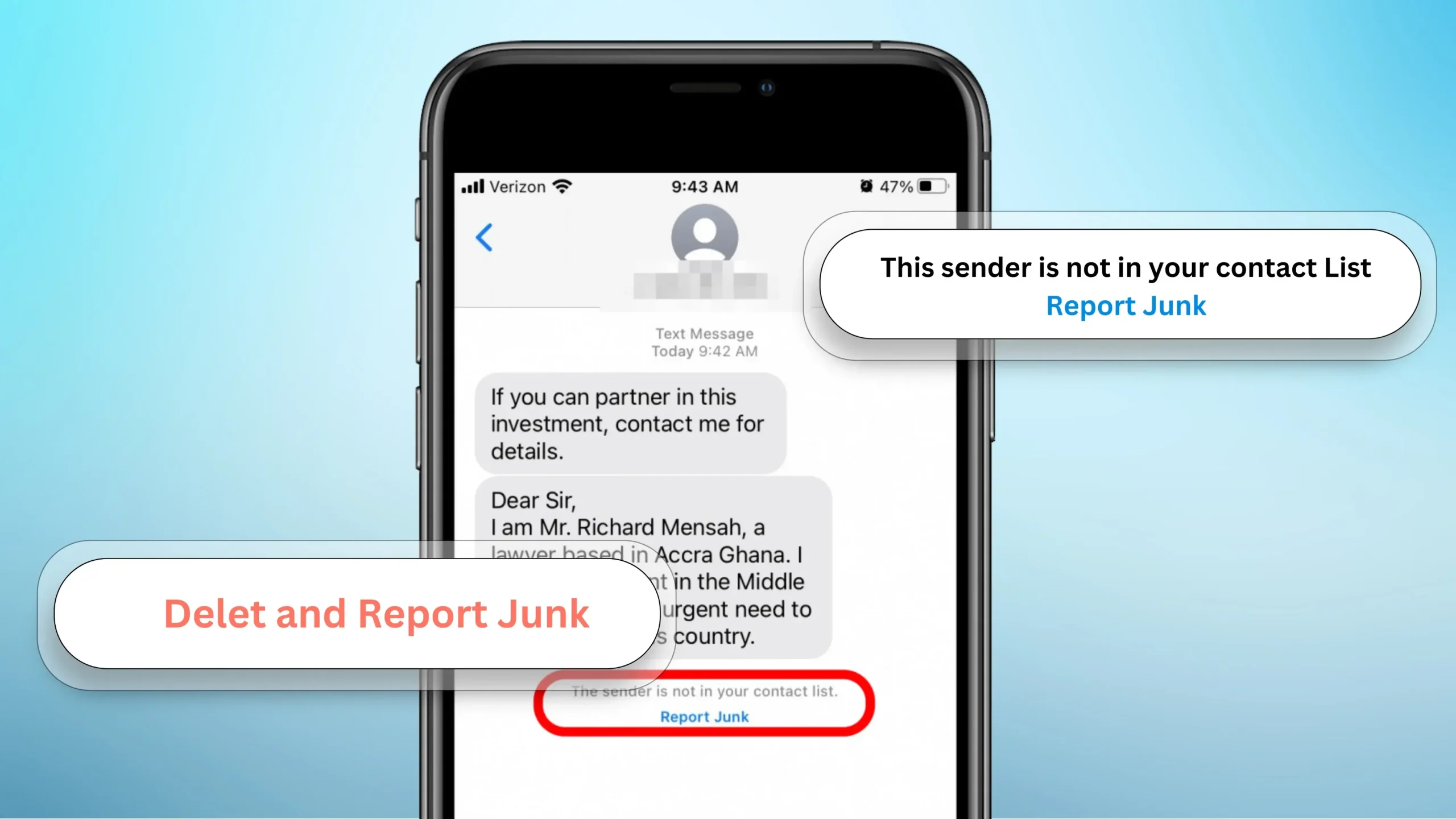
Kiedy otrzymasz niechciane oferty, poczujesz się pośpieszony lub poproszony o podanie danych osobowych, działaj szybko. Kluczowa jest wiedza, jak zgłosić i powstrzymać oszustwo tekstowe. W ten sposób możesz chronić siebie i innych przed tymi oszustwami.
Jeśli uważasz, że wiadomość SMS jest oszustwem, zgłoś to od razu. W USA możesz skontaktować się z Federalną Komisją Handlu (FTC) przez Internet lub dzwoniąc pod numer 1-877-FTC-HELP. Zgłaszanie pomaga FTC znajdować i powstrzymywać oszustów.
Poinformuj swojego operatora komórkowego o oszustwie. Mogą blokować i śledzić podejrzane numery, aby powstrzymać więcej oszustw.
Użyj filtrów spamu lub aplikacji swojego operatora, aby blokować niechciane SMS-y. Ogranicza to liczbę niechcianych wiadomości i próśb o podanie danych osobowych.
Jeśli udostępniłeś poufne informacje, takie jak dane bankowe lub numer ubezpieczenia społecznego, szybko zadzwoń do swojego banku lub wystawcy karty kredytowej. Mogą chronić Twoje konta i tożsamość.
Podejmując te kroki, możesz powstrzymać oszustwo i pomóc w walce z oszustwami związanymi z wiadomościami tekstowymi. W ten sposób chronisz także innych przed wpadnięciem w tego rodzaju oszustwa.
| Działanie | Opis |
|---|---|
| Zgłoś się do FTC | Złóż skargę do Federalnej Komisji Handlu, aby pomóc w śledzeniu i badaniu oszustw związanych z wiadomościami tekstowymi. |
| Zgłoś się do przewoźnika | Skontaktuj się ze swoim operatorem komórkowym, aby zablokować podejrzane numery i skorzystać z jego narzędzi do filtrowania spamu. |
| Chroń konta | Jeśli podałeś poufne informacje, natychmiast skontaktuj się ze swoimi instytucjami finansowymi, aby zabezpieczyć swoje konta i tożsamość. |
Jak możemy mieć pewność, że wysyłamy bezpieczne wiadomości?
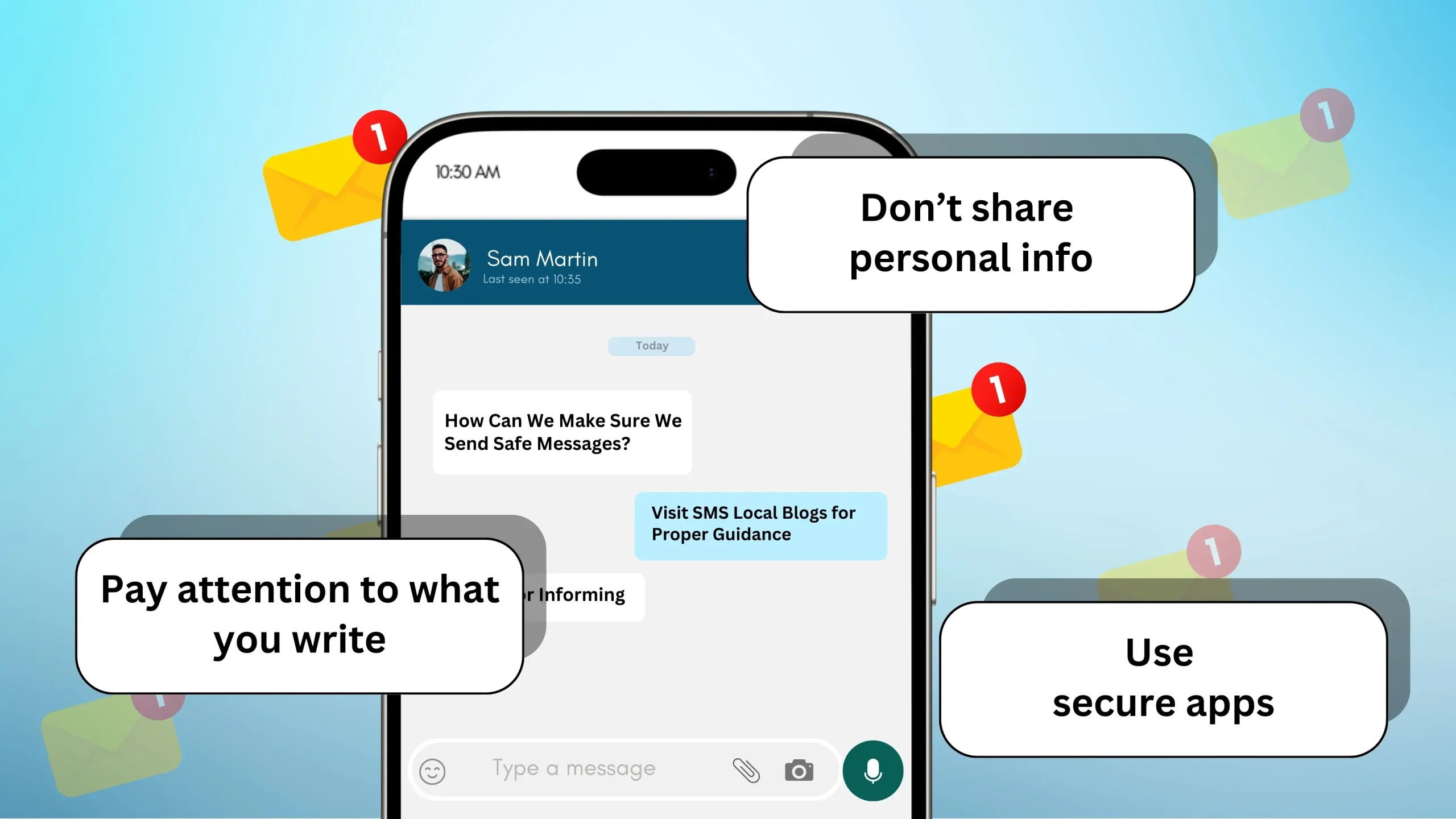
Aby zapewnić bezpieczeństwo wiadomości tekstowych, zwracaj uwagę na to, co piszesz i jak je formatujesz. Trzymaj się z daleka od taktyk, które próbują Cię przestraszyć lub obiecują zbyt wiele, ponieważ oszuści często korzystają z tych sztuczek. Uważaj także na wiadomości, które wyglądają dziwnie, np. z dużą ilością wielkich liter lub dziwnych symboli. Mogą to być oznaki oszustwa próbującego zwrócić Twoją uwagę.
Kiedy piszesz do kogoś SMS-a, nie udostępniaj danych osobowych, takich jak dane bankowe czy hasła. Hakerzy łatwo je zdobyć i wykorzystać do złych celów. Zamiast tego korzystaj z aplikacji do przesyłania wiadomości, dzięki którym Twoje rozmowy będą prywatne i bezpieczne przed innymi.
Ostrożnie obchodząc się z wiadomościami tekstowymi i korzystając z bezpiecznych aplikacji, możesz uchronić się przed oszustwami. Dzięki temu Twoje wiadomości pozostaną bezpieczne i niezawodne.
Podsumowanie
Wraz z postępem technologii zagrożenie oszustwami typu phishing staje się coraz bardziej powszechnym problemem. Te zwodnicze programy często podszywają się pod wiarygodne wiadomości lub e-maile, nakłaniając osoby do ujawnienia poufnych informacji. Aby uchronić się przed szkodami finansowymi i osobistymi, należy zachować czujność i rozpoznawać oznaki takich oszustw. Krytycznie sprawdzając źródło wiadomości i podchodząc sceptycznie do nieoczekiwanych próśb o informacje, poszczególne osoby mogą lepiej zabezpieczyć się przed padnięciem ofiarą tej złośliwej taktyki.
Rozpoznawanie spamu to kolejny kluczowy element utrzymania bezpieczeństwa cyfrowego. Wiele osób otrzymuje niechciane wiadomości, które czasami mogą wydawać się przekonujące, nawołujące do kliknięcia łączy lub podania danych osobowych. Niezbędne jest zdobywanie wiedzy na temat typowych cech spamu, takich jak ogólne pozdrowienia, pilne wezwania do działania lub nieznani nadawcy. Rozwijając tę świadomość, użytkownicy mogą podejmować aktywne kroki w celu usuwania lub blokowania wiadomości spamowych, zmniejszając w ten sposób ryzyko stania się ofiarą bardziej wyrafinowanych oszustw internetowych.
Podsumowując, zakończenie wysiłków na rzecz wzmocnienia bezpieczeństwa cyfrowego wymaga proaktywnego podejścia do rozpoznawania różnych istniejących obecnie zagrożeń i reagowania na nie. Od świadomości oszustw typu phishing po aktywną ochronę przed oszustwami związanymi z wiadomościami tekstowymi i rozpoznawanie wiadomości będących spamem — poszczególne osoby mogą pomóc chronić siebie i swoje informacje. W miarę jak nadal poruszamy się po połączonym świecie, bycie na bieżąco z informacjami i czujność będą naszą najlepszą obroną przed cyfrowymi oszustwami.
Wniosek
Oszustwa związane z wiadomościami tekstowymi i spam stanowią coraz większe zagrożenia w dzisiejszym cyfrowym świecie, ale wiedza, jak je rozpoznać i na nie zareagować, może pomóc Ci zapewnić bezpieczeństwo. Wykrywając typowe sygnały ostrzegawcze, takie jak pilny język, podejrzane linki i nieznani nadawcy, a także zgłaszając oszustwa odpowiednim organom, możesz chronić siebie i innych. Zachowanie czujności i wiedzy to najlepszy sposób na czerpanie korzyści z komunikacji cyfrowej bez stania się ofiarą oszustwa.
Często zadawane pytania
Szukaj błędów ortograficznych, złej gramatyki, podejrzanych linków, pilnych próśb lub nieoczekiwanych nagród. Są to typowe sygnały ostrzegawcze sygnalizujące oszustwa.
Oszuści wysyłają wiadomości spamowe w celu kradzieży danych osobowych lub finansowych, rozprzestrzeniania złośliwego oprogramowania lub zarabiania pieniędzy poprzez oszukańcze taktyki.
Możesz zgłosić oszustwo, przekazując wiadomość pod numer 7726 (SPAM) lub kontaktując się ze swoim operatorem i FTC, aby zapobiec przyszłym oszustwom.
Natychmiast odłącz się od Internetu, unikaj wprowadzania jakichkolwiek informacji i przeprowadź kontrolę bezpieczeństwa swojego urządzenia. Jeśli udostępniono informacje finansowe, skontaktuj się ze swoim bankiem.
Nie, legalne banki ani usługi finansowe nie będą żądać poufnych informacji, takich jak hasła lub dane konta, za pośrednictwem wiadomości SMS.